Who stands to gain the most from new federal overtime rules?
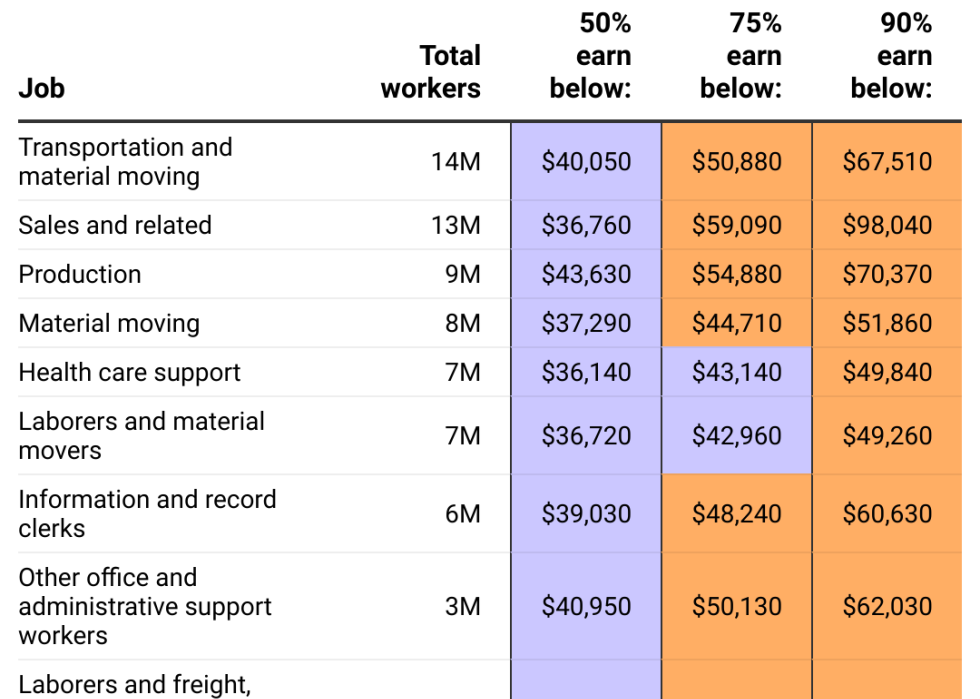
Certain industries will see a greater impact than others. "Those industries have a lot of workers who are disproportionately in that band. They are manager-supervisors, they're not earning very much, earning between the old threshold, which was extremely low, and the new Biden threshold," said Shierholz. "Those are industries where there are white-collar bona fide managers who just don't earn that much money."
A number of professions have difficult working conditions where employees face greater strain when asked to work beyond 40 hours a week.
"Long shifts, low autonomy, mandatory overtime, and being forced to work weekends, nights, and holidays prompts many nurses to look for other jobs," Carol J. Huston writes in "Professional Issues in Nursing."
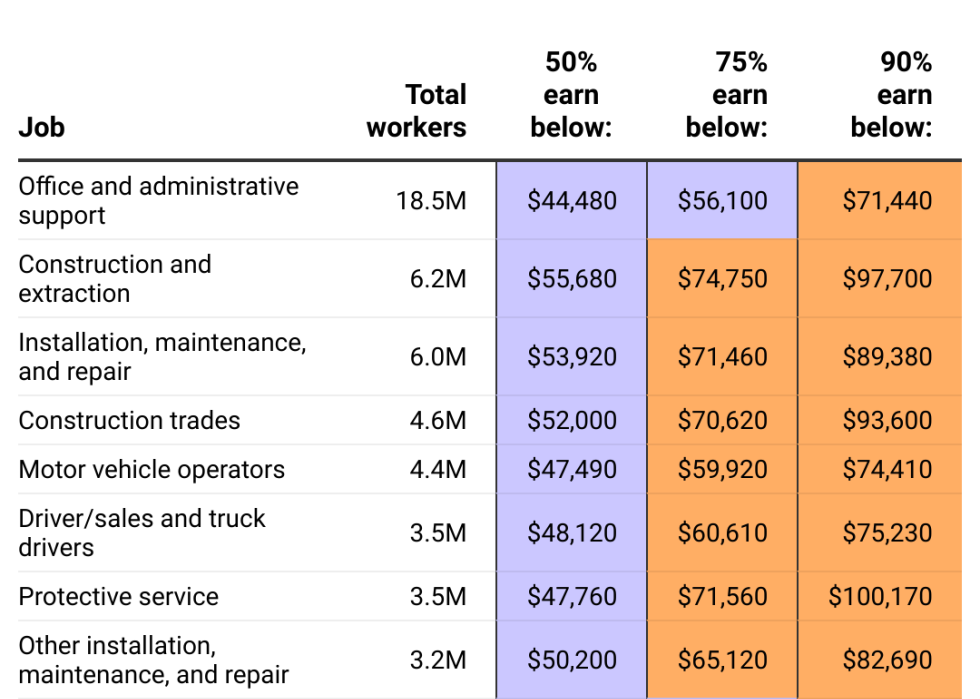
In some industries, the changes will help mitigate pay inequities and exploitative behavior, according to labor law experts. "Drivers for both food delivery and other delivery services are frequent victims of wage theft," according to injury law firm Morgan & Morgan. "If you're paid a daily rate (example: $100 per day's worth of work) that might not account for the actual number of hours you're on the job."
Some of the affected industries, such as construction-related fields, are still struggling with pandemic-related price volatility, supply chain disruptions, and labor shortages and have been impacted by high interest rates and restrictive lending.
The Biden administration's new overtime rules are set to boost pay protections for millions of workers and restore their level to the original methodology, while adding a new mechanism to automatically recalculate the level based on inflation. Critics in the business community argue this move will pinch small businesses already battling inflation and higher borrowing costs. But labor advocates see this as a long-overdue fix that will curb worker misclassification and wage theft, especially in industries like fast food and retail, where lower-wage managers have been particularly vulnerable.
Story editing by Alizah Salario. Additional editing by Kelly Glass and Elisa Huang. Copy editing by Tim Bruns.