Rural teachers enjoy a better cost of living, less stress, and more great benefits
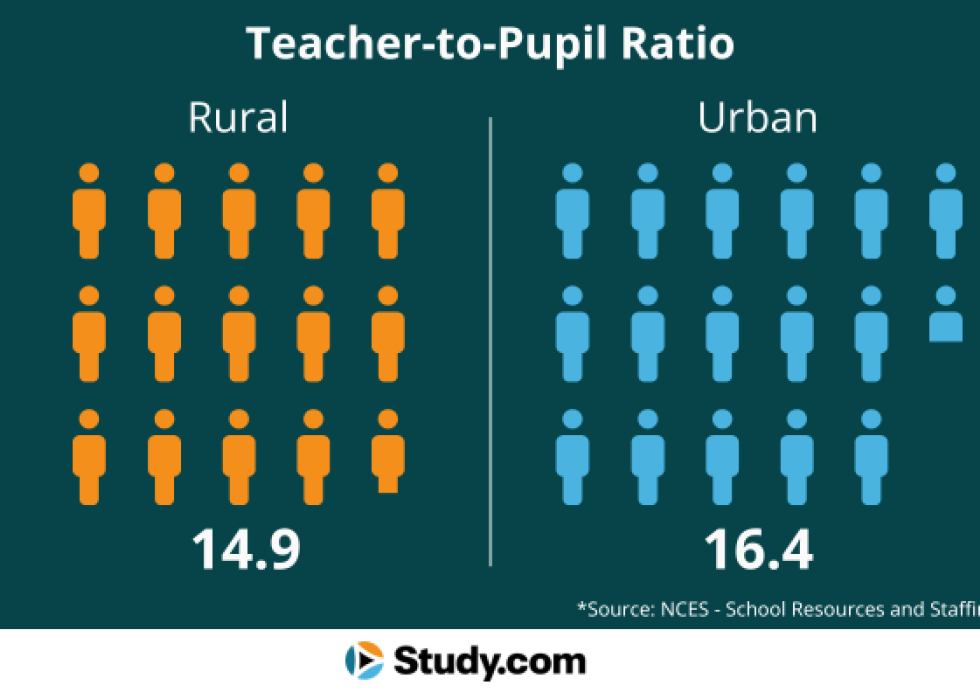
Another benefit of teaching in rural areas is smaller class sizes, which allow educators to fully engage with their students, develop personalized learning plans, and often helps improve learning outcomes in the long run. In fact, the average teacher-to-pupil ratio at rural schools is 14.89, markedly smaller than the urban ratio of 16.4.
With smaller class sizes, teachers can get to know students, understand their specific challenges and strengths, and tailor learning strategies to better meet their needs. This can help students feel more successful, have a positive impact on their learning outcomes, and ensures teachers are truly making a difference in the lives of their students. Smaller class sizes can often also feel more manageable, further reducing teacher stress, and enabling the focus to solely be on students.
Four-day work week
Recently, several rural school districts have begun to implement a four-day week. While the four-day school week was originally introduced in rural areas as a means to cut costs during times of recession, they are now being adopted all across the U.S., but particularly in rural areas, as a way of bettering teacher retention.
For example, in Colorado, about 60% of school districts now have a four-day schedule, a majority of which are in rural areas, and an increasing number of schools in Idaho are reducing the length of the school week as well. Typically, these four-day weeks will include longer instruction time on the school days, while extracurricular activities like band practice or tutoring occur on non-school days.
There are many benefits to a shortened work week. It gives teachers the chance to decompress and enjoy more leisure time. They might also have extra time to devote to professional development and career advancement opportunities, like prepping for certification exams or taking online classes. A four-day work week can also have a positive impact on physical and mental health as, unsurprisingly, research shows that teachers working a four-day week felt less burnt out and were sick less often.
Less stress
While teaching is a stressful profession no matter the district, schools have been proactive about ensuring they provide teachers with support and recourse to manage stress. According to Study.com's survey, when asked how satisfied they were with the mental and emotional health support provided to them by your school. 59% of rural teachers were satisfied, compared to 54% of urban teachers.
Some of the reasons teachers are likely to be more stress-free working in a rural school are the benefits already mentioned: smaller class sizes and better relationships with students.
Strong community ties
Another great reason to work in a rural setting is acting as a point of connection between students and the larger community. In rural areas, schools are not only education centers but community hubs, gathering places, and public spaces. Research has shown that teachers who stay in rural schools do so because they feel they are a meaningful part of their communities and have a great sense of pride in the way their school functions. If you're looking for a teaching opportunity that allows you to grow beyond the classroom and build strong ties with your community, then a rural school may be the answer.