10 pop culture moments that destigmatized weed
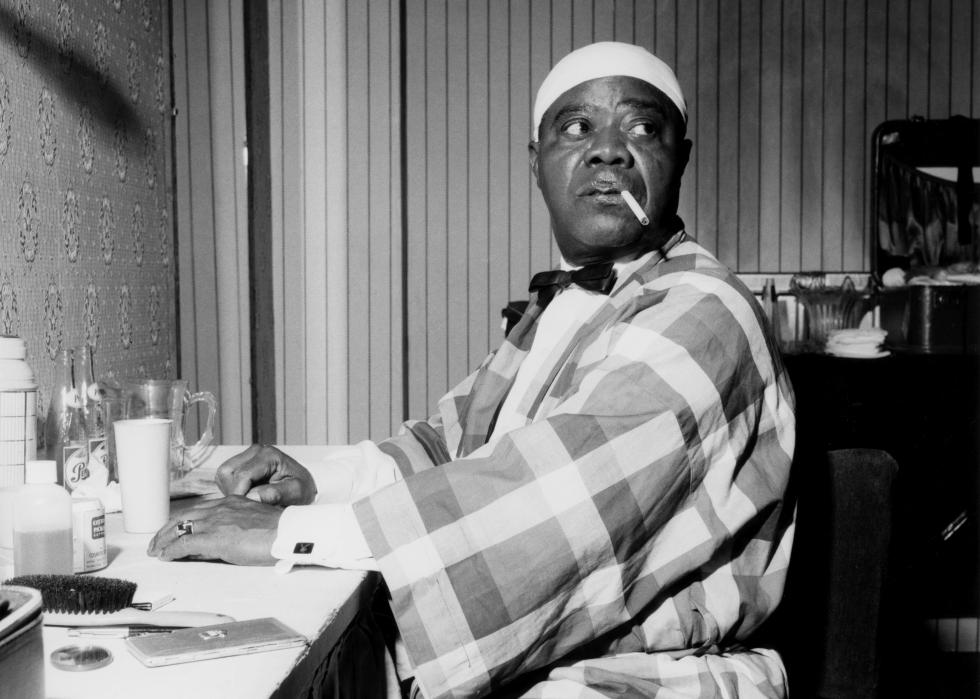
Louis Armstrong is an undeniable legend of jazz. With his distinctive gravelly voice and wide smile, Armstrong inevitably conjures up images of dark, smoky rooms and inimitable trumpet playing. This iconic figure was a frequent user of cannabis, having first tried it in the 1920s, the age of Prohibition.
Armstrong called cannabis "the gage" and explained to his biographer Max Jones, "That was our cute little nickname for marijuana…We always looked at pot as a sort of medicine, a cheap drunk and with much better thoughts than one that's full of liquor."
The musician wasn't the only high one in those times—fellow jazz players were, too, giving birth to ganja songs like "That Funny Reefer Man" by Cab Calloway, "Sweet Marijuana Brown" by Benny Goodman, and "Muggles" by Armstrong.
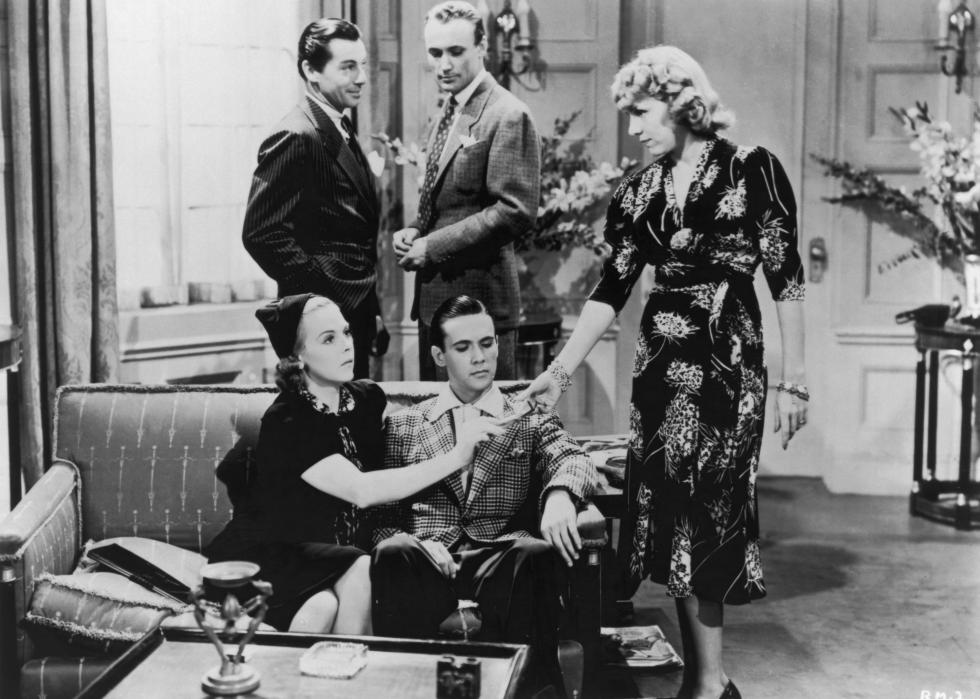
The 1936 film "Reefer Madness" (originally titled "Tell Your Children") was released to enlighten parents about the dangers of cannabis. Initially financed by a church group as part of their outreach, the film portrays a group of high school students who get their hands on some weed and slowly descend into madness. Hallucinations, violence, and rape all come into play as these once aspiring youth fall victim to the dangers of the demon weed.
While many consider the film one of the worst of all time, it was rediscovered in the '70s. It took on a new life, becoming a cult classic that stoners worldwide mercilessly mocked for being ludicrous and blatantly fear-mongering.
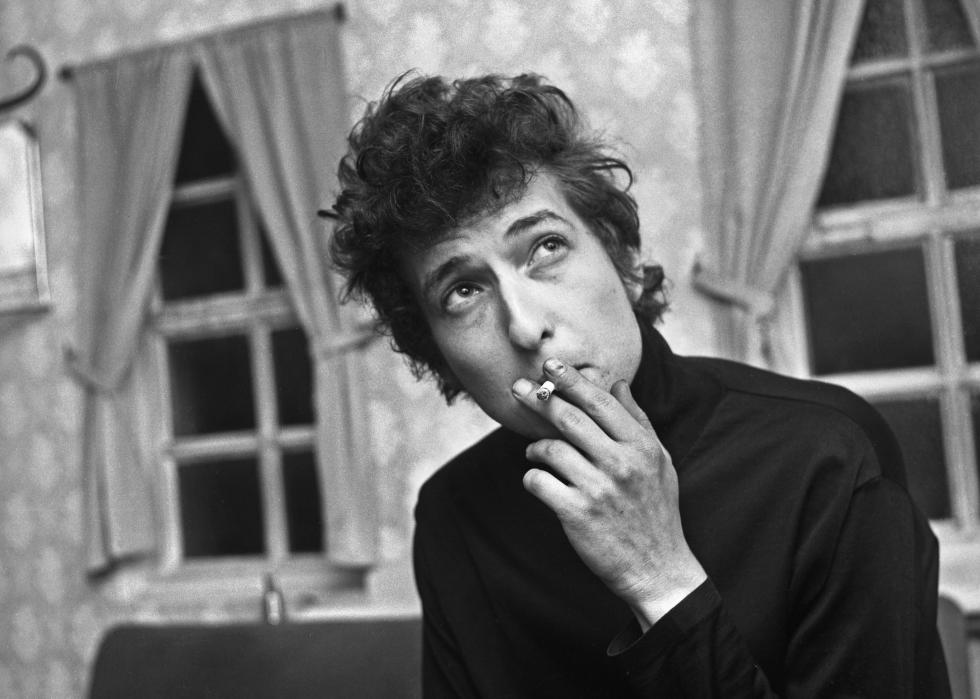
Bob Dylan was a longtime smoker of cannabis and saw it as a broadening experience. "I wouldn't advise anybody to use drugs—certainly not the hard drugs; drugs are medicine," he told Playboy in a 1966 interview. "But opium and hash and pot—now, those things aren't drugs; they just bend your mind a little. I think everybody's mind should be bent once in a while."
It was Dylan who introduced the Beatles to cannabis in 1964 inside a New York City hotel room. Already a musical sensation at the time, the Beatles would only broaden their musical horizons after their encounters with cannabis, producing music that experimented with sound and rhythm.
Buffeted by the lofty status of these musical legends and with lyrics like Dylan's "Everybody must get stoned" or the Beatles' "I get high with a little help from my friends," cannabis soon became a symbol of a counterculture movement in opposition to the Vietnam War and in support of feminism and the Civil Rights Movement.
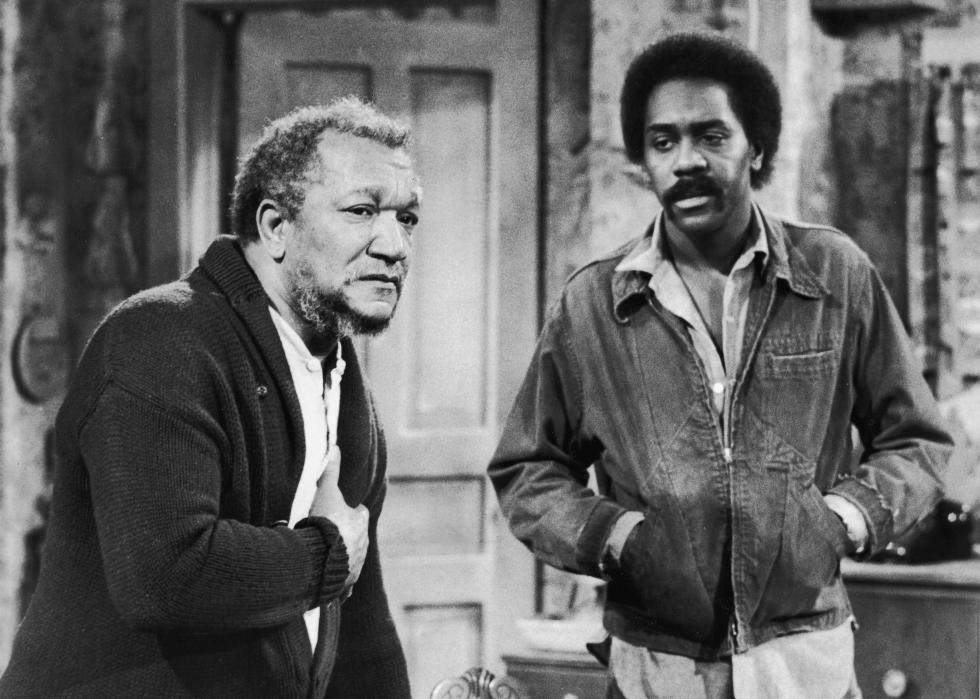
The mention of cannabis on mainstream television through the '50s and '60s was few and far between. In the instances where it was mentioned, for example, in the crime series "Dragnet," showrunners portrayed weed's effects closer to that of heroin.
By the early '70s, however, counterculture's use of cannabis reopened the conversation in a new way, illustrated by the popular comedy series "Sanford and Son," primarily the 1974 episode "Fred's Treasure Garden." The episode showed the effects of marijuana in a far more realistic and positive light, inducing forgetfulness, a bit more kindness, and, yes, a craving for snacks.
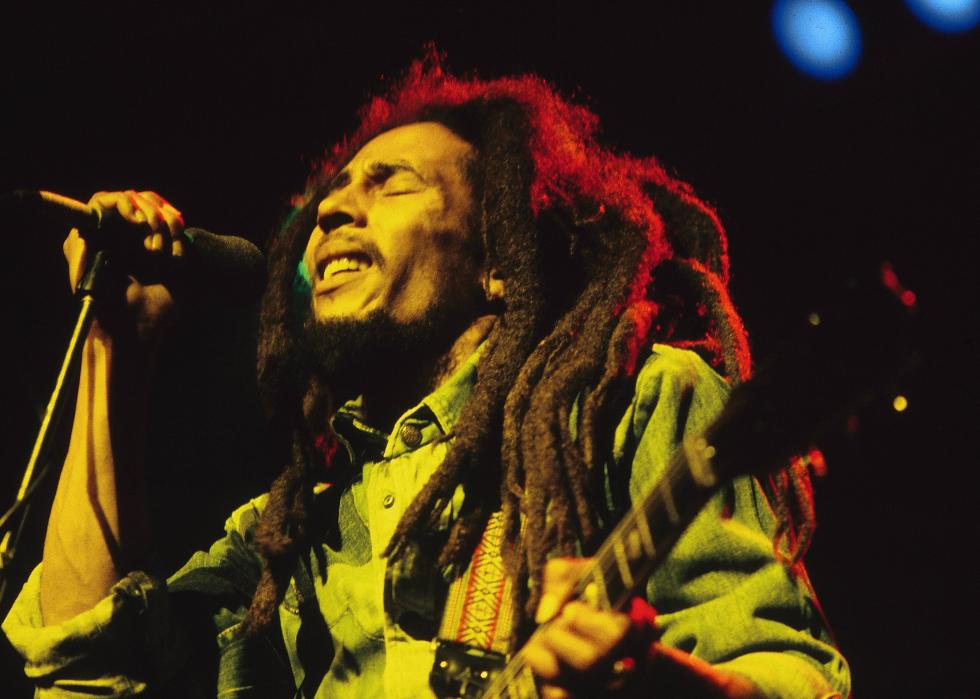
Reggae music became heavily embraced in America during the counterculture movement. The music and message of Bob Marley and The Wailers, which broke through when "Rastaman Vibration" was released in 1976, heavily embodied the new generation's desire to question authority, view spirituality from a different perspective, and embrace peace over war.
Concurrently, the Rastafari's spiritual connection to cannabis meant that Marley became an icon evangelizing its use. This stance showed up in his music and his unabashed advocacy for the legalization of weed. Even today, Marley's face is on countless cannabis equipment and posters calling for "One Love."
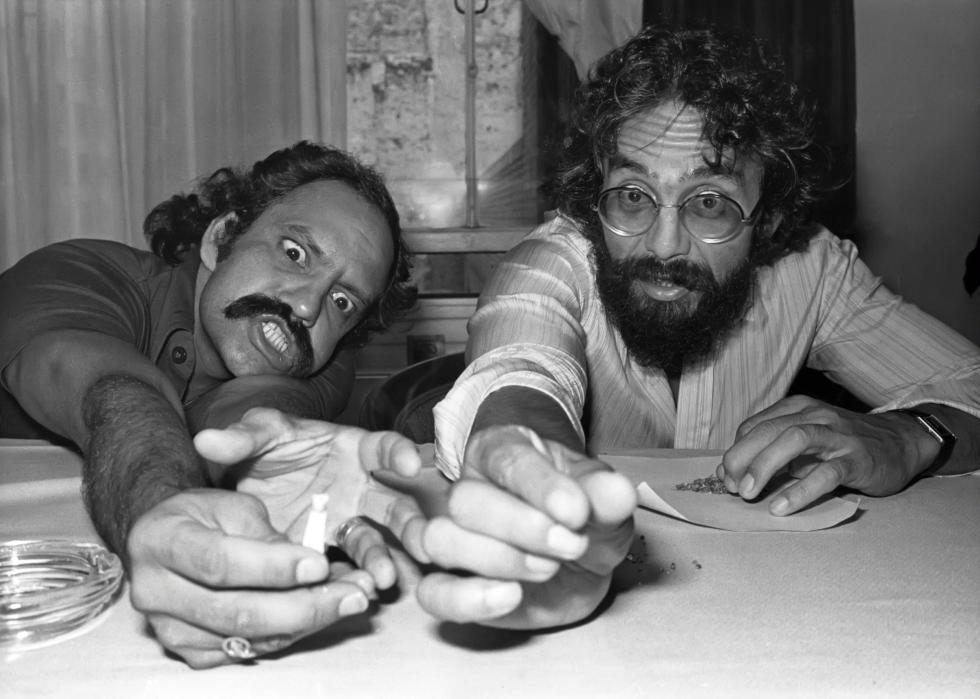
Comedians Cheech Marin and Tommy Chong brought a different perception of cannabis to the big screen with their 1978 classic "Up in Smoke." The film showed the somewhat absurd side effects of marijuana and didn't include any of the demonization, allowing audience members to relax their preconceptions and see an alternative perspective.
The movie was a surprise hit that continued to give, with Ice Cube making his own stoner film, "Friday," and musicians like Soundgarden and Korn covering Cheech and Chong's music. "Up in Smoke" presaged a world where stoner films became a genre in themselves, and cannabis was liberally used in society.
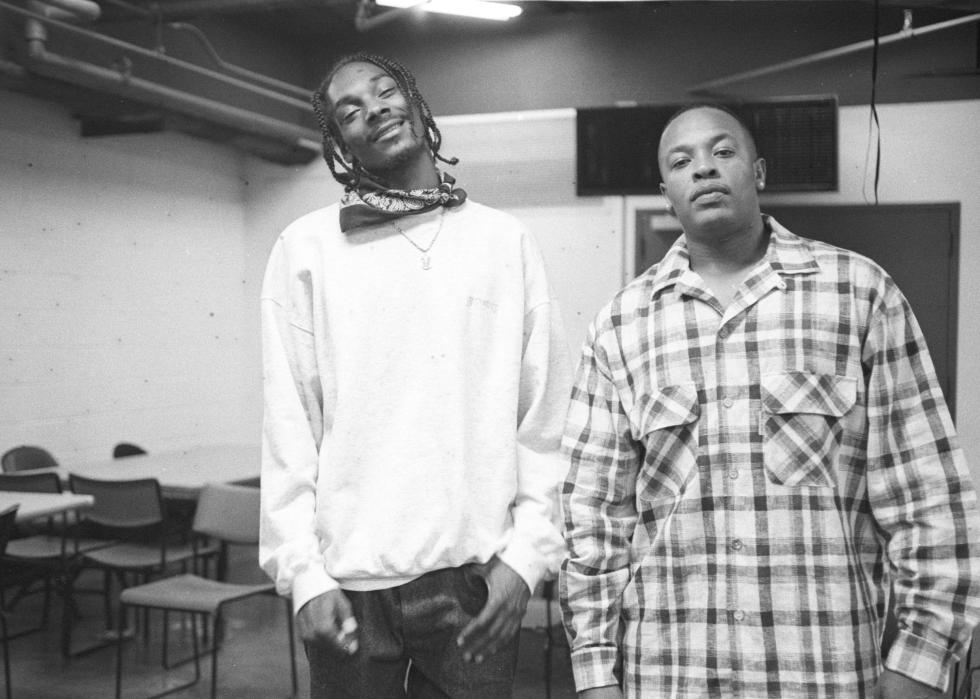
Though the stigma surrounding marijuana had gradually diminished since the "Marijuana Menace" of the early 20th century, a lingering taboo persisted, leading many individuals to consume it in secret, behind the safety of closed doors.
However, when Snoop Dogg was prominently featured in Dr. Dre's solo album "The Chronic" in 1992 (and his debut album, "Doggy Style," rose to the top of Billboard charts a year later), his music brought marijuana use into mainstream conversations. His persona, characterized by open discussions about cannabis and his pointed public consumption without fear of judgment, further normalized its presence in everyday life. Writing for The Washington Post, Jeff Weiss credits "The Chronic" for helping legalize marijuana.
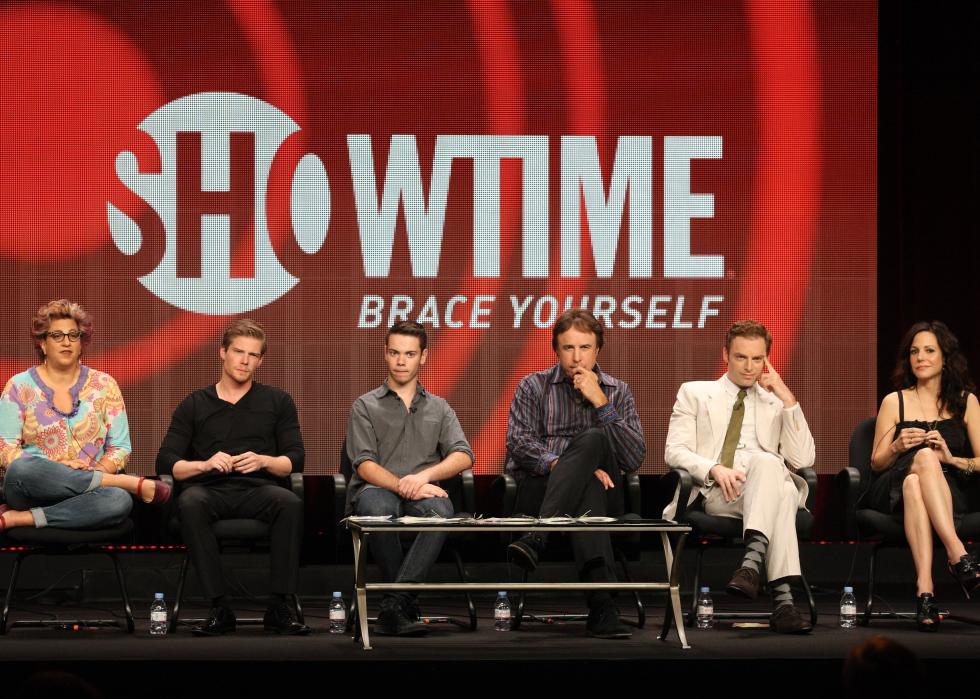
A dark comedy show produced by Showtime, "Weeds" was a lighter kind of "Breaking Bad" that shows Nancy Botwin, a widowed mother of two, selling cannabis to keep up her family's upper-middle-class lifestyle.
When the show premiered, the legalization of cannabis was only getting in gear. About nine states had passed laws legalizing the medical use of weed. As the show continued, however, public opinion on the substance continued to change, and more states approved cannabis for recreational use.
"Weeds" stoked public conversations about cannabis and went on to become one of the highest-rated original Showtime shows. However, some pointed out how it stereotypically depicted Black and Brown actors.
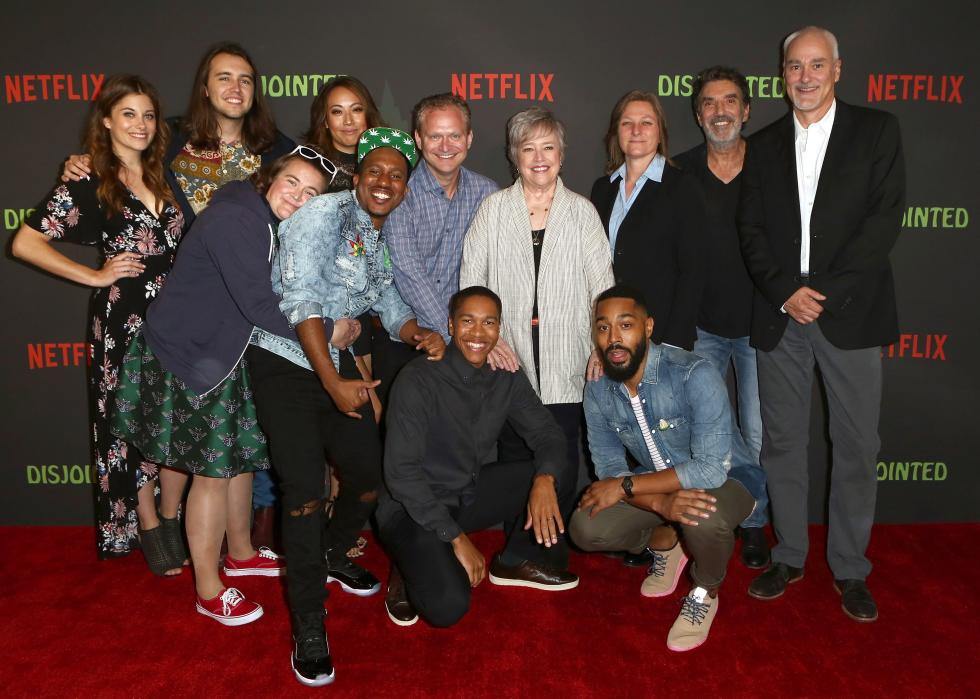
With recreational marijuana legal in several states, Netflix's short-lived comedy series "Disjointed" blazed a trail in terms of marijuana culture by bringing audiences behind the curtain and into the world of the retail dispensary in a sitcom format. Through its colorful cast of characters (including Academy Award-winner Kathy Bates) and positive portrayal of life in the cannabis industry, the show challenged the norms, if only for a moment.
Netflix canceled the show after the first season due to low reviews and approval ratings. Nonetheless, the show played a role in advancing the concept of marijuana use by delving into the reasons why customers were purchasing, who they were, and the diverse community of cannabis industry workers.
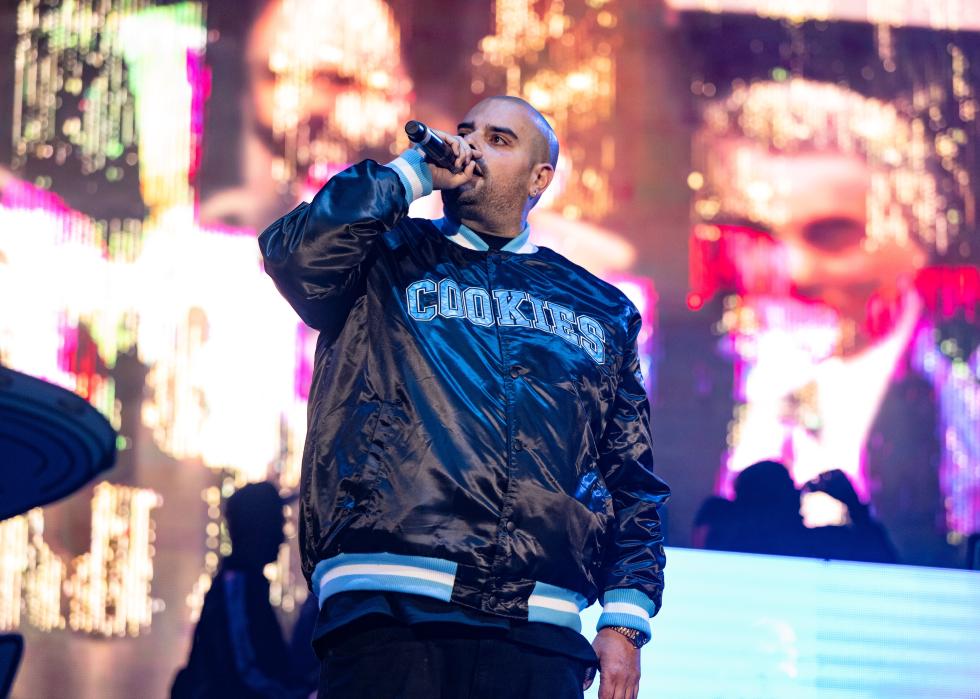
As marijuana has found its way into the mainstream, the influence of pop culture on cannabis has extended beyond music, film, and television. Over the years, celebrities have attached their names to existing brands or created their own. But none have been as successful as the San Francisco rapper and businessman Berner, who has used his influence in the industry to reshape perceptions of both cannabis and the industry that surrounds it.
Through sleek and aesthetically appealing packaging, branding, and marketing akin to that of streetwear, Berner's savvy has pushed his Cookies brand to the forefront of the industry. The influencer and hip-hop artist has leveraged that success to normalize the once-taboo plant further.
Story editing by Carren Jao. Copy editing by Kristen Wegrzyn. Photo selection by Clarese Moller.
