The 10 worst beers in the world, according to Beer Advocate
- Average rating: 1.89 (846 votes)
- Type: American Adjunct Lager
- ABV: 4.8%
- Brewery: Miller Brewing Co.
- Location: Wisconsin, United States
A 2024 ranking from Taste of Home gave Old Milwaukee a solid review, slotting it in at #7 among 28 mass-market beers. While that reviewer said it "smells good, tastes good, is good," the consensus isn't the same over on Beer Advocate, where some call it "drinkable" at best and "abysmal swill" at worst.
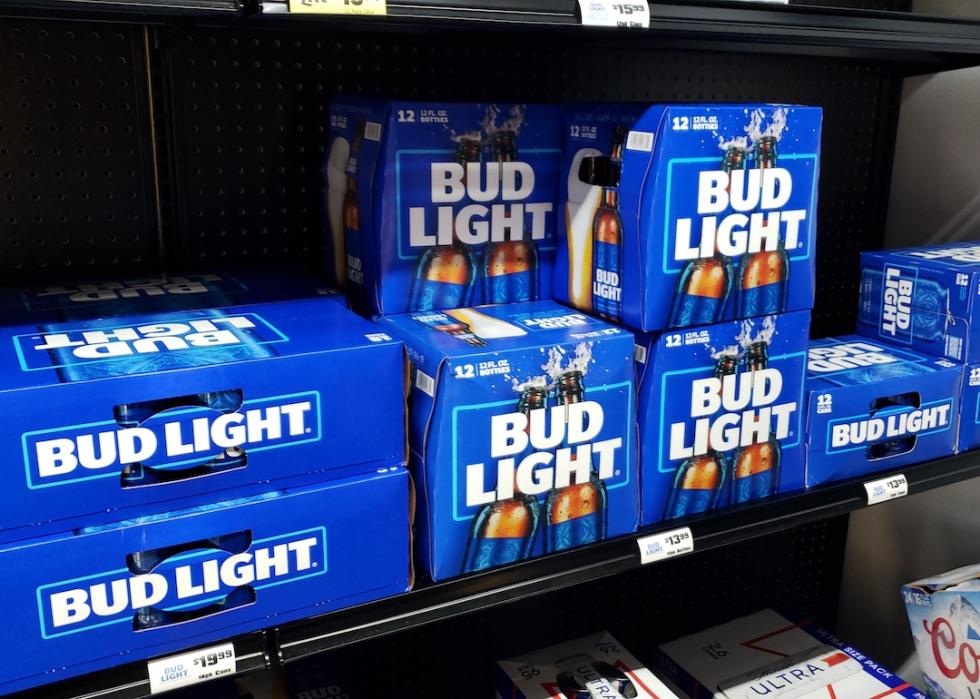
- Average rating: 1.88 (6,667 votes)
- Type: Light Lager
- ABV: 4.2%
- Brewery: Anheuser-Busch
- Location: Missouri, United States
Bud Light is so popular that it inspired a collection of spin-off drinks, including Bud Light Seltzers, Bud Light Peels, Bud Light Platinum, and Bud Light Chelada. The beer was described by one reviewer as "water with a hint of alcohol."
- Average rating: 1.84 (738 votes)
- Type: Light Lager
- ABV: 4.2%
- Brewery: Miller Brewing Co.
- Location: Wisconsin, United States
Though Milwaukee's Best Light is one of the lowest-ranked beers amongst the American public, it is favored by some judging panels, having won a silver medal at the 2006 Great American Beer Festival. In an effort to get the drink into the national spotlight, the beer was made sponsors of the 36th World Series of Poker and a national tour of the world's largest poker table.
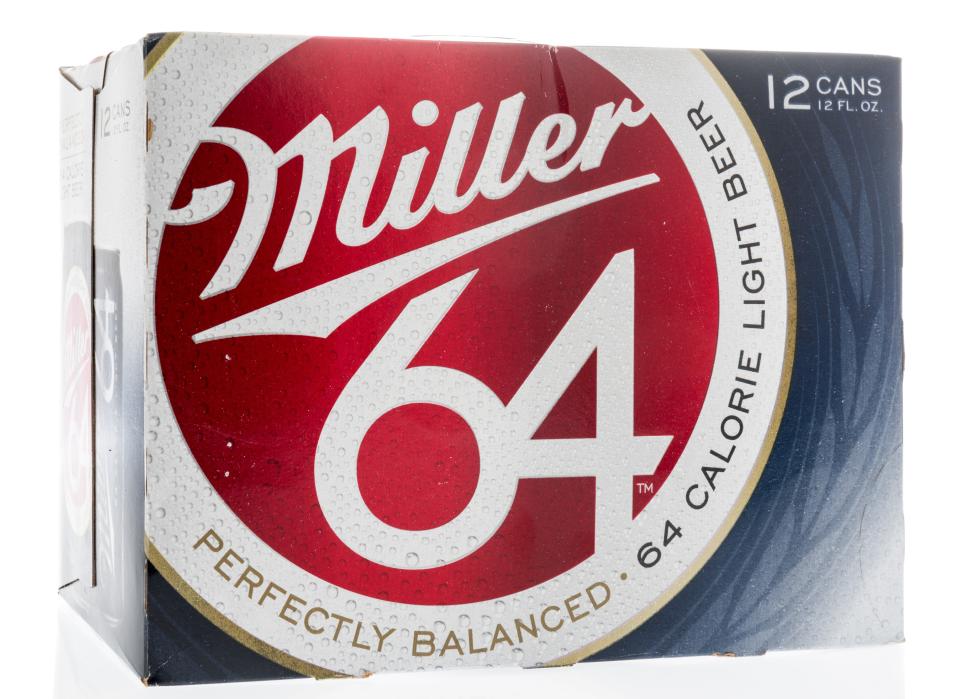
- Average rating: 1.84 (841 votes)
- Type: Light Lager
- ABV: 2.8%
- Brewery: Miller Brewing Co.
- Location: Wisconsin, United States
Miller 64 is marketed as an extra-light version of the 80-calorie Miller beer. Critics say it is so light that it is "barely beer," and even Miller Brewing describes it as just "beer-ish."
- Average rating: 1.85 (1,590 votes)
- Type: American Adjunct Lager
- ABV: 5.9%
- Brewery: Anheuser-Busch
- Location: Missouri, United States
Though both beers are largely disliked by American consumers, Natural Ice has a slight edge on its brother Natural Light due to its higher alcohol content. The beer is brewed with hops, malt, and corn at a temperature below freezing—thus the "Ice" moniker.
- Average rating: 1.66 (105 votes)
- Type: Light Lager
- ABV: 4.0%
- Brewery: Melanie Brewing Company
- Location: Wisconsin, United States
This Midwestern budget beer has a low alcohol content, as many light beers do. Reviewers seem to agree that you get what you pay for with Beer 30 Light, with many commenting on its unappealing odor and aftertaste.
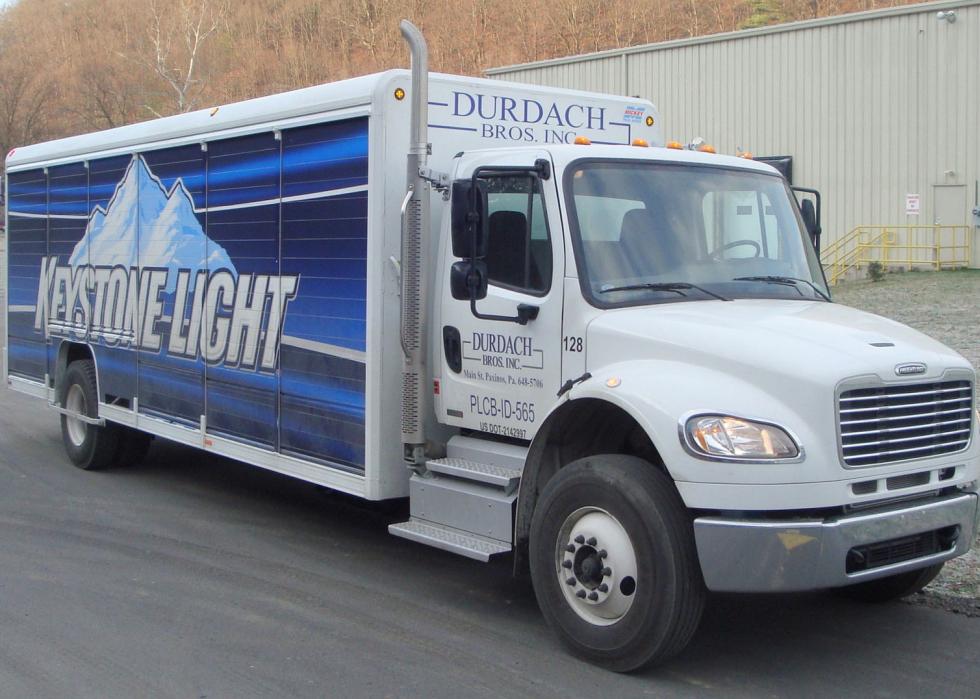
- Average rating: 1.84 (2,196 votes)
- Type: Light Lager
- ABV: 4.1%
- Brewery: Coors Brewing Company (Molson-Coors)
- Location: Colorado, United States
As the name Keystone Light would suggest, criticisms of this beer largely focus on the fact that it's very watery. The beer is popular in drinking games, where its weak taste makes it easy to drink quickly in large volumes.
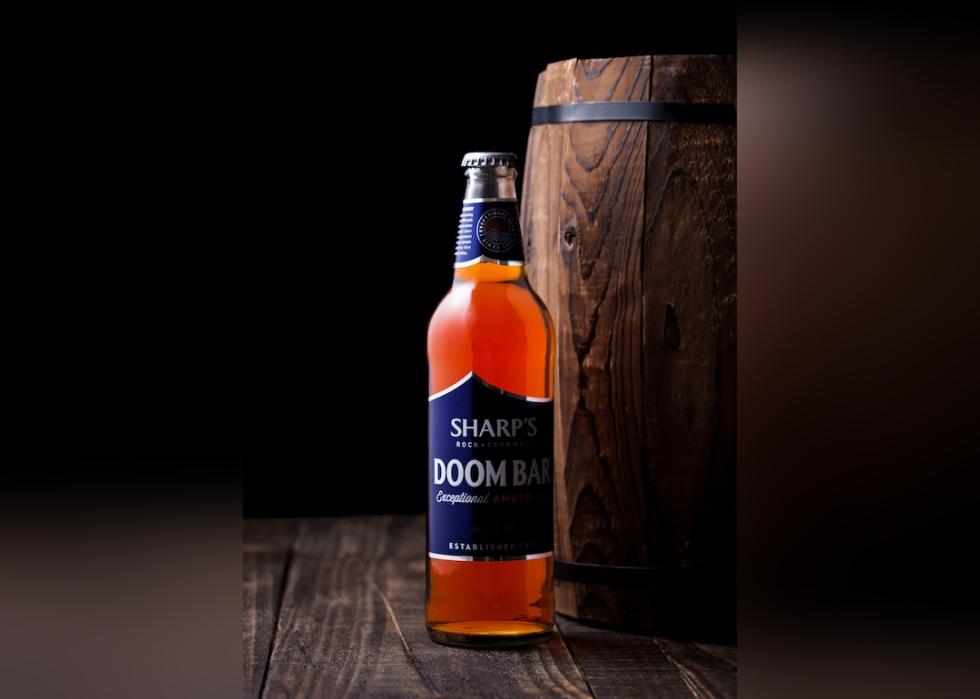
- Average rating: 1.72 (174 votes)
- Type: Low-Alcohol Beer
- ABV: 0.4%
- Brewery: Miller Brewing Co.
- Location: Wisconsin, United States
Though low-alcohol beers are generally lower in flavor than full-bodied ones, Sharp's is disliked for being even less flavorful than its other low-alcohol competitors. The beverage premiered in 1989, with Miller boasting its "patented Ever-Cool brewing process" to achieve a beer taste with a minimal ABV.
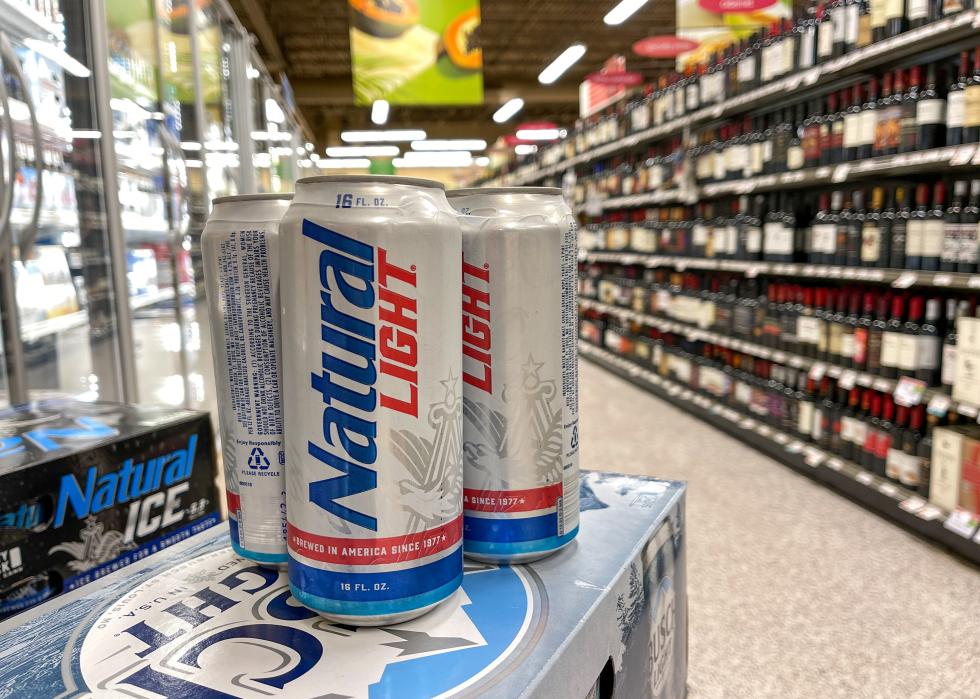
- Average rating: 1.76 (2,398 votes)
- Type: Light Lager
- ABV: 4.2%
- Brewery: Anheuser-Busch
- Location: Missouri, United States
Known fondly by American consumers as "Natty Light," this lager undergoes a longer brewing process to achieve its low-calorie, light body. Natural Light now has a variety of offshoot products including seltzers, vodka mixes, and lemonade drinks.
- Average rating: 1.65 (630 votes)
- Type: Light Lager
- ABV: 2.4%
- Brewery: Anheuser-Busch
- Location: Missouri, United States
Budweiser Select 55 is a 55-calorie alternative to Budweiser's heavier Select original, and brewed with a caramel taste. Anheuser-Busch has been instrumental in popularizing lagers amongst American consumers for decades, after the beer style was first introduced to the U.S. thanks to German immigrants in the mid-19th century. One Beer Advocate reviewer summed this offering up thusly: "It's thin, flavorless, and odd smelling."