Caffeine use disorder: When your energy fix becomes unhealthy
Rula
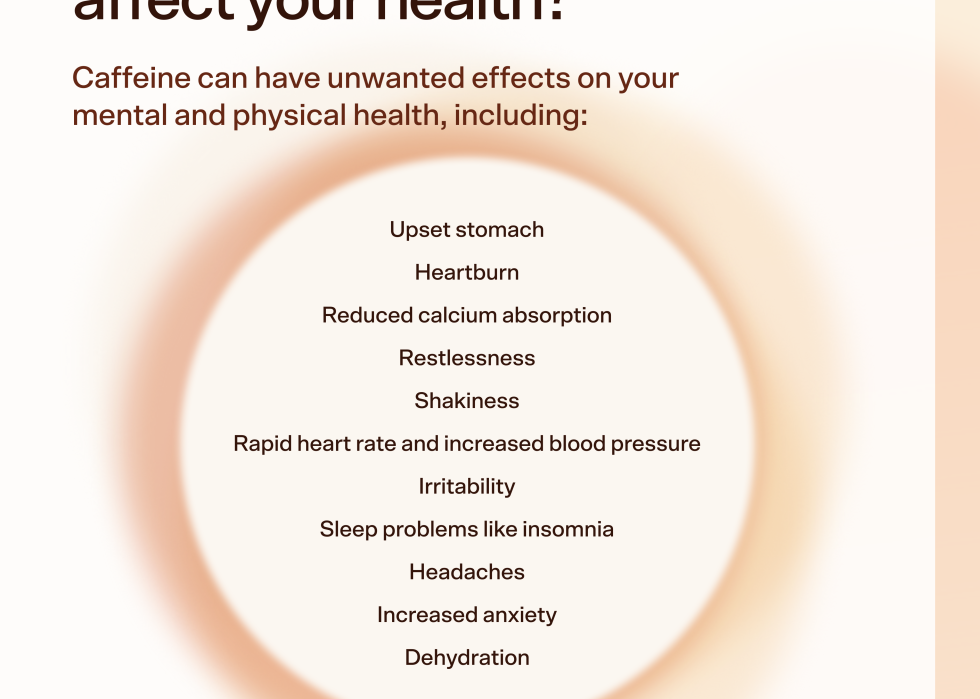
It might be easy to overlook the fact that caffeine is a drug because so many people use it every day. But just like other substances, caffeine can have unwanted effects on your mental and physical health, including:
- Upset stomach
- Heartburn
- Reduced calcium absorption
- Restlessness
- Shakiness
- Irritability
- Sleep problems like insomnia
- Headaches
- Rapid heart rate and increased blood pressure
- Increased anxiety
- Dehydration
Building a healthier relationship with caffeine
If you want to build a healthier relationship with caffeine, here are a few tips that can help:
- Read the labels. You might be surprised to learn that something you're eating or drinking contains more caffeine than you thought. For example, did you know that "decaf" doesn't always mean caffeine free? Learning how much caffeine you're ingesting can help you make a plan to reduce your intake gradually.
- Review the guidelines. Many countries have established guidelines for what their healthcare professionals consider safe caffeine use. For example, in the U.S., it's recommended to limit your caffeine intake to no more than 400 milligrams per day (roughly two to three 12 oz. cups of coffee).
- Keep track. If you're used to mindlessly consuming caffeine, you might not be sure how much you're really using. Tracking your caffeine intake for a few days can give you some insights into how you might be able to reduce your use.
- Ask for help. If you're having trouble controlling your caffeine use on your own, know that it's OK to ask for help. Whether it's from a friend, loved one, or mental health professional, asking for support can make it easier to change your relationship with caffeine.
How does caffeine affect your health?
No Automated Backlink
Off

SrideeStudio // Shutterstock