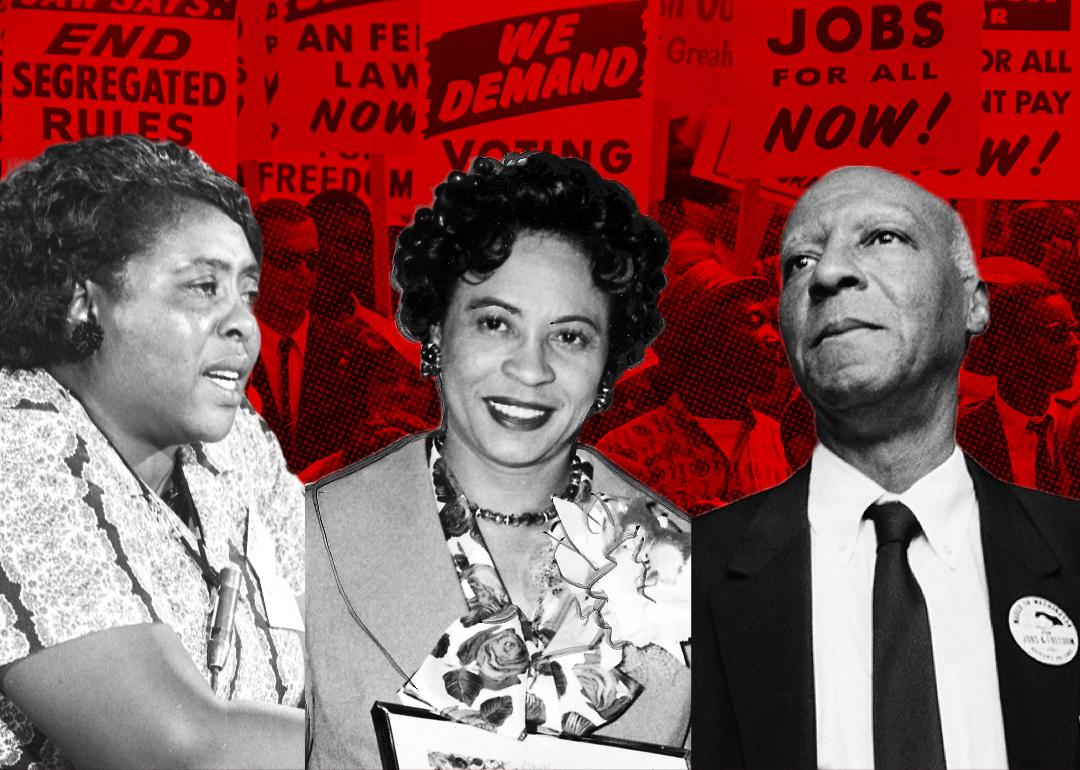
14 heroes of the Civil Rights Movement whose names you may not recognize
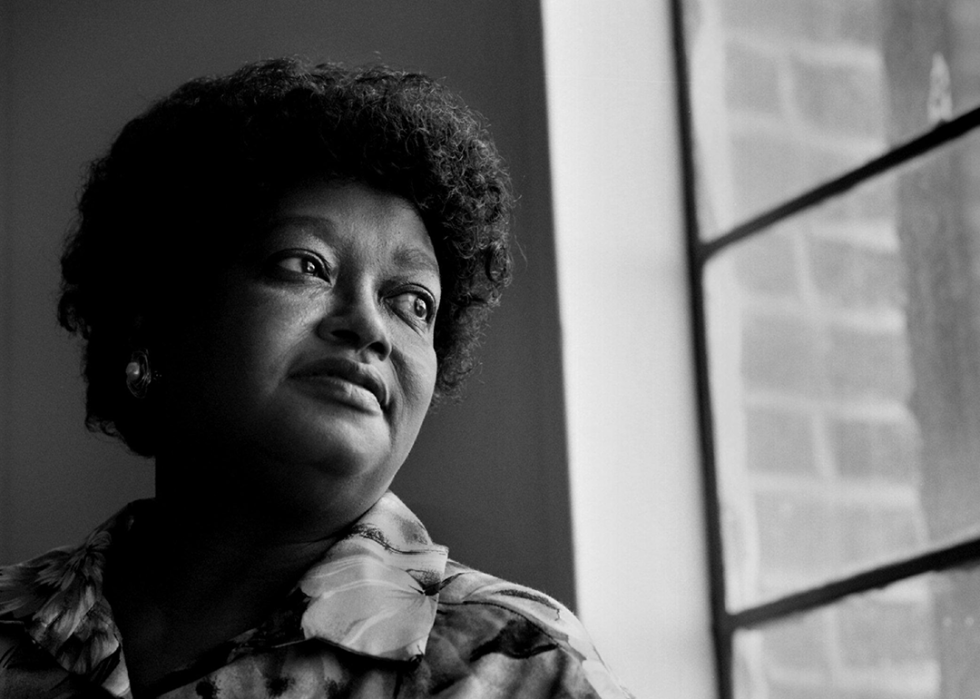
Many may not realize that Rosa Parks' refusal to give up her seat on a bus was not an isolated or spontaneous occurrence; it was actually part of an orchestrated boycott. Nine months before Parks' act of resistance, 15-year-old Claudette Colvin not only refused to give up her seat on a Montgomery, Alabama, bus to a white person, leading to her being arrested and jailed; she also notably challenged the law as a plaintiff in Browder v. Gayle, which successfully overturned bus segregation mandates in Alabama.
Colvin told NPR in 2009 that she believes Rosa Parks became the national symbol for the bus boycott in part because Parks had a more "middle-class" look and was an adult. Additionally, an unmarried Colvin became pregnant soon after, causing the NAACP to consider her a less appropriate choice as a moral figurehead.
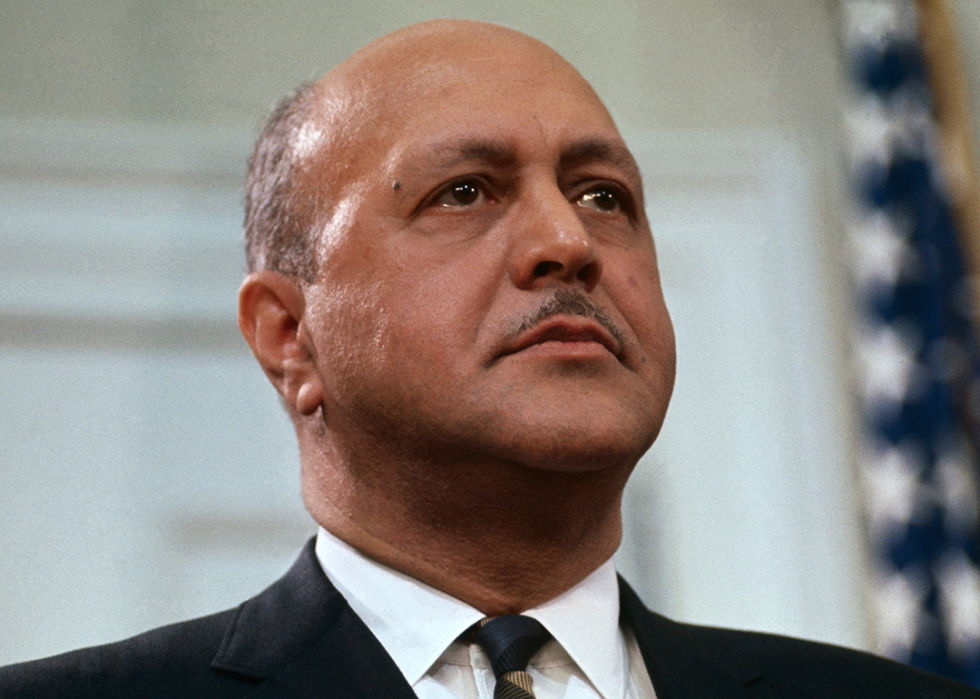
Robert Weaver's work towards urban reform spanned several presidencies. While he was board chairman of the NAACP, John F. Kennedy appointed him the director of the Housing and Home Finance Agency, marking the then-highest position ever held by an African American in the U.S. government. When Kennedy's successor, Lyndon B. Johnson, named Weaver secretary of the newly minted Department of Housing and Urban Development in 1966, Weaver snagged another first: this time, the inaugural African American member of the White House Cabinet.
In this role, Weaver notably advocated for the 1968 Fair Housing Act, which prohibited housing discrimination based on race, as well as religion, color, or national origin. Weaver's contributions have perhaps been remembered less because of his relatively short career in government—after Johnson's term ended, Weaver left to pursue a life in academia as president of Baruch College and as a professor at Hunter College.
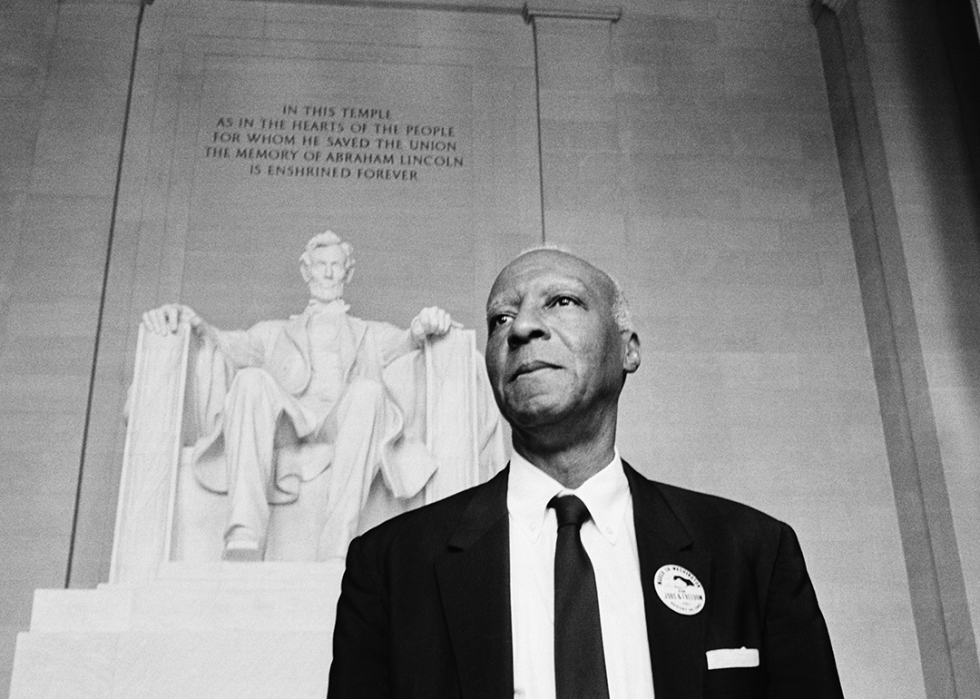
The 1963 March on Washington is considered by many to be a watershed moment in the Civil Rights Movement and was the venue where Martin Luther King Jr. delivered his famous "I Have a Dream" speech—but the march would not have been possible without the efforts of A. Philip Randolph.
Randolph founded the most successful African American labor union of the time, the Brotherhood of Sleeping Car Porters, during the 1920s. Two decades later, he succeeded in convincing President Franklin D. Roosevelt to prohibit discrimination in the war industry workplace. He then went on to found the Negro American Labor Council and was instrumental in organizing the 1963 march. The central focus of the march—and Randolph's work as a whole—was to advocate for the rights of Black workers.
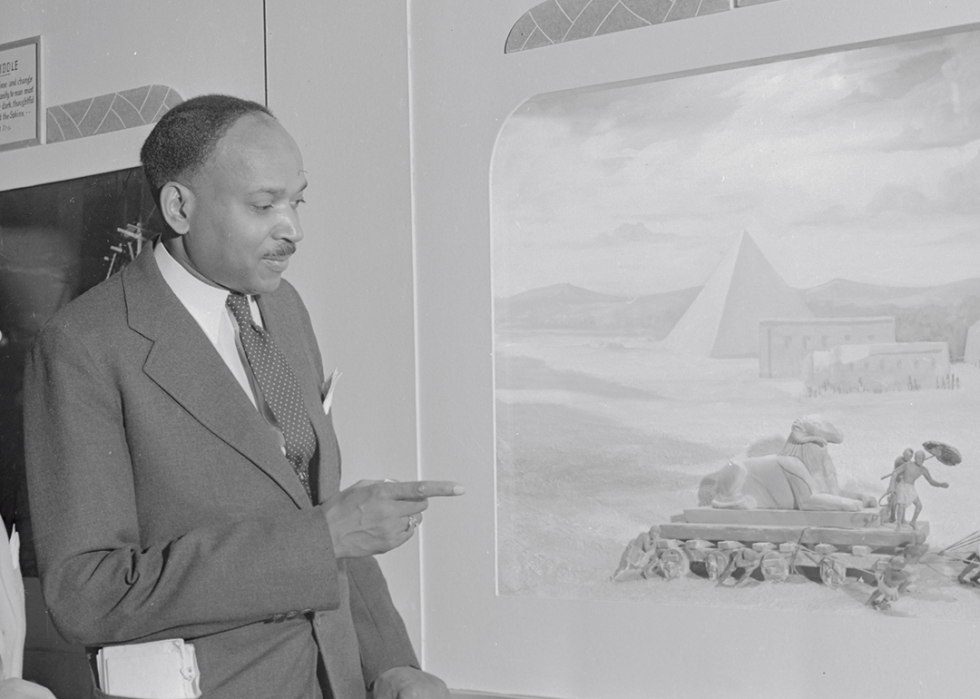
Many Civil Rights Movement leaders would arguably have struggled to reach national attention if not for coverage by the Associated Negro Press, which was founded by Claude Barnett in 1919 in the hopes of connecting activists and their work to the Black public.
While the concerns and actions of Black Americans went largely unreported by the white-dominated national newspaper industry, the ANP—which Barnett once described as "the eyes and ears" of the Black community—focused on covering just those stories and distributing them to at least 150 Black-owned U.S. newspapers, and an additional 100 in Africa. Barnett effectively handed a nationwide megaphone to some of the most influential voices of the day, including Zora Neale Hurston, Langston Hughes, and Richard Wright.
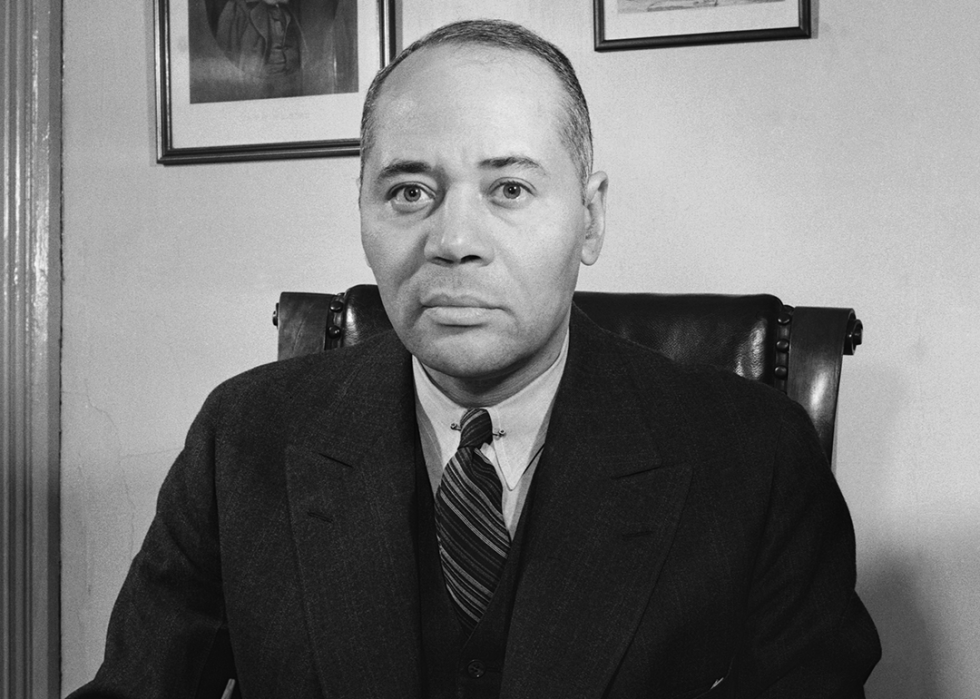
The role of civil rights attorney may not exist as we know it today if it weren't for Charles Hamilton Houston, who received a law degree from Harvard at a time when African Americans were not even allowed membership in the American Bar Association. He went on to become Dean of Howard University's Law School, where he encouraged other Black lawyers to use their powers to champion civil rights. His most famous mentee was future Supreme Court Justice Thurgood Marshall. Houston also acted as legal counsel for the NAACP and argued many civil rights cases that challenged the legitimacy of "separate but equal," thus laying the foundation for Brown v. Board of Education in 1954.
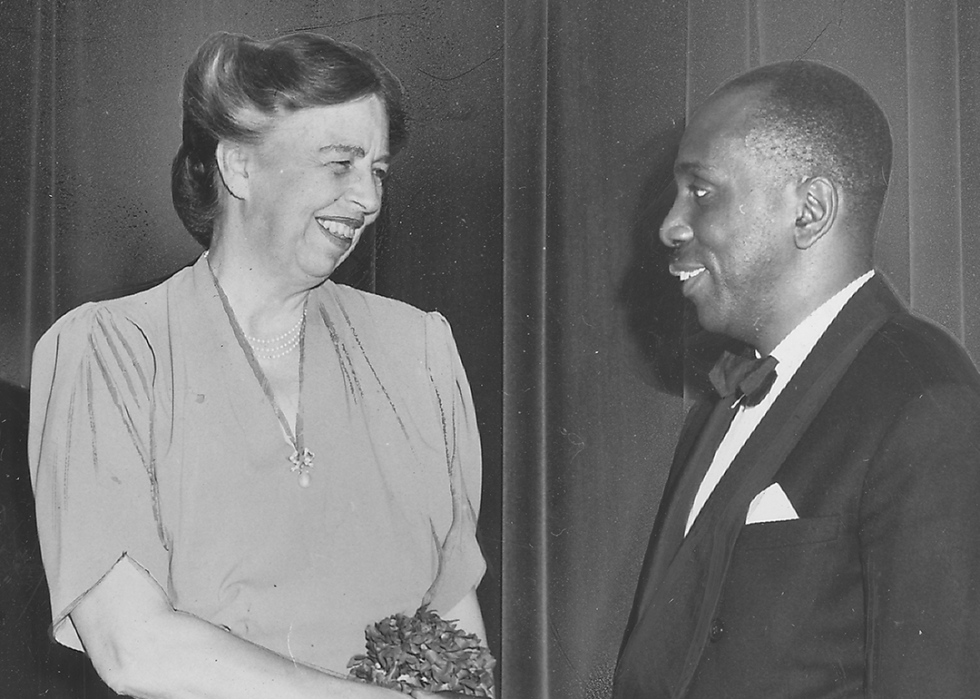
One of the most distinctive aspects of the Civil Rights Movement was its use of nonviolent direct action, which was largely thanks to the influence of human rights activist Howard Thurman. Thurman's advocacy for nonviolent protest, which he was introduced to during meetings with Mahatma Gandhi in India, led to his position as dean of Marsh Chapel at Boston University.
While there, he mentored many students on the idea of civil disobedience—most notably, Martin Luther King Jr., who was pursuing his Ph.D. at the time. King directly cited Thurman as a guiding influence throughout the Civil Rights Movement, including rereading Thurman's book "Jesus and the Disinherited" throughout the 1955 Montgomery bus boycott.
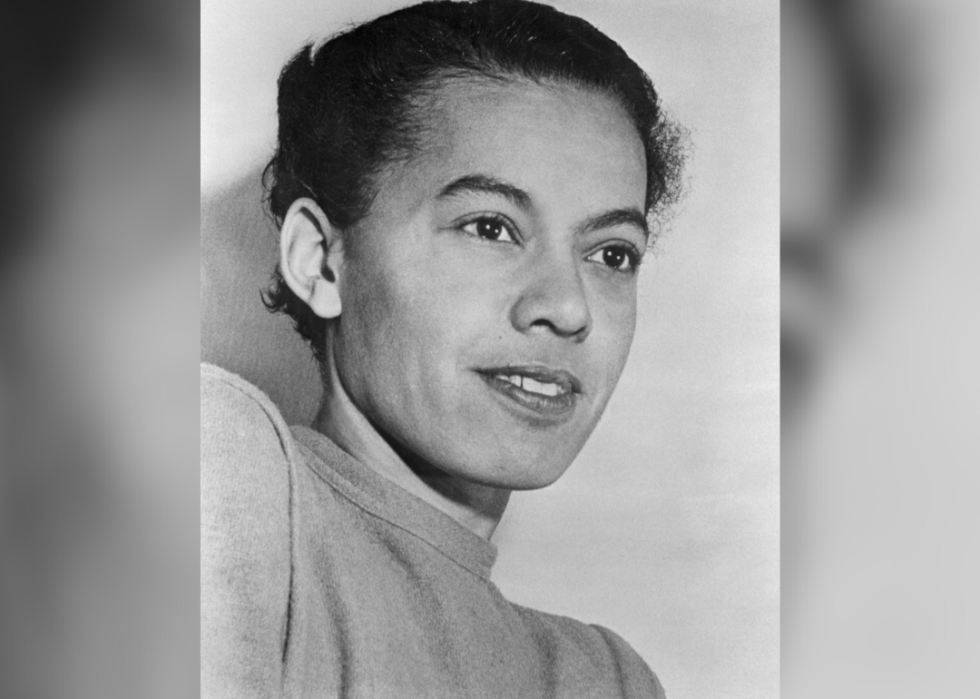
It is hard to pin down Pauli Murray's legacy onto just one action: Throughout their lifetime, they co-founded the National Organization for Women, became the first Black student to earn a JSD from Yale Law School, and authored the book "States' Laws on Race and Color," which is considered by many to be the "bible" of civil rights law.
Murray wrote "Roots of the Racial Crisis: Prologue to Policy" and "Jane Crow and the Law: Sex Discrimination and Title VII," both of which contributed to legal arguments that challenged—and ultimately ended—"separate but equal" doctrines. Murray was gender-nonconforming and mostly had relationships with women, an experience that informed their writing on the intersections of race, gender, and sexuality.
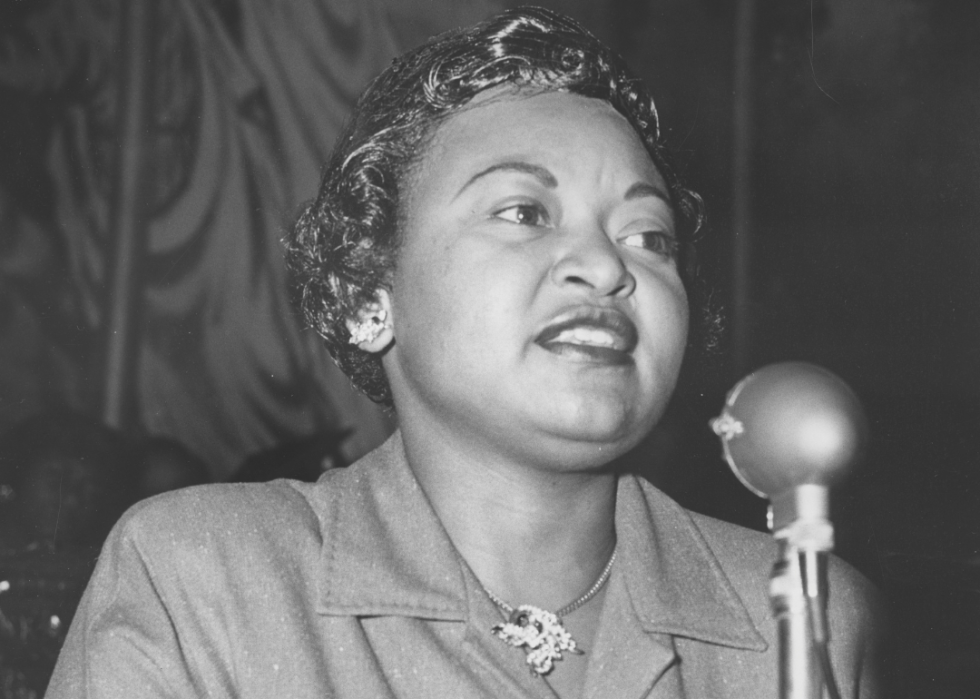
Mamie Till-Mobley was thrust into the national spotlight after the tragic lynching of her son, Emmett Till, in 1955. Till-Mobley's decision to have an open-casket funeral, ensuring Emmett's brutalized body was viewed by mourners and photographed by national publications, set off nationwide outrage. After his killers were acquitted, Emmett's killing became a galvanizing moment in the Civil Rights Movement. Till-Mobley traveled across the country telling her son's story, contributing to a flood of growth and support for the NAACP. She continued to advocate for civil rights nationally until her death in 2003.
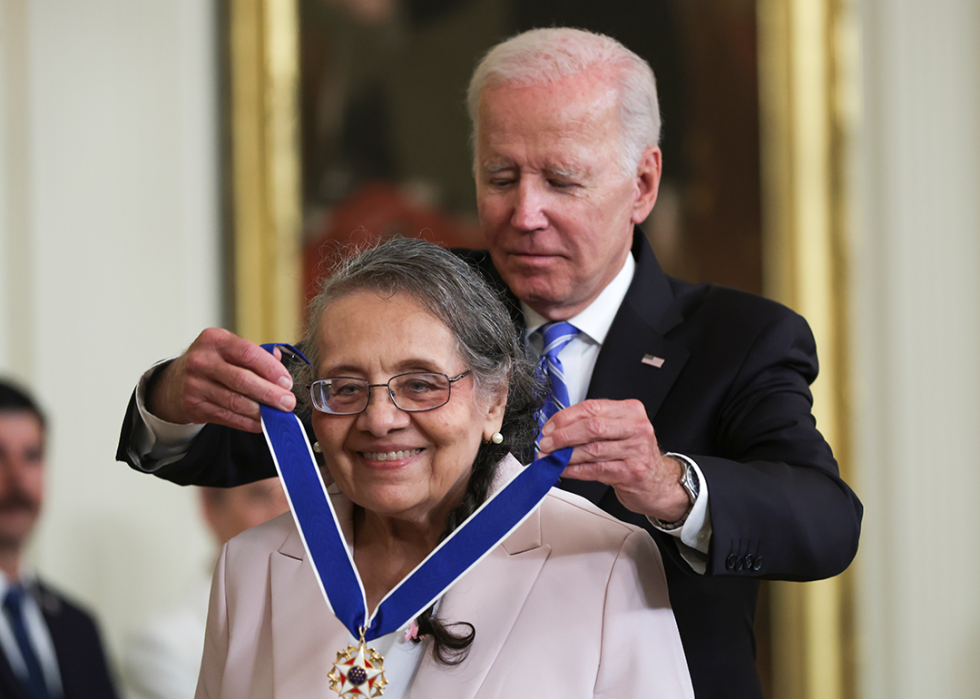
Diane Nash was a driving force behind two of the Civil Rights Movement's signature strategies: sit-ins and Freedom Rides. While a student in Nashville working with the Student Nonviolent Coordinating Committee, Nash organized sit-ins at segregated lunch counters throughout the city, successfully integrating some of the restaurants.
Just one year later, Nash worked on behalf of the Congress of Racial Equality to organize Freedom Rides on buses across the South, continuing despite often-violent opposition from police and angry white mobs. While living in Mississippi, Nash continued her work with the SNCC and was eventually arrested for teaching nonviolent protest tactics to minors. Rather than pay a fine, a then-pregnant Nash chose to serve her jail sentence.
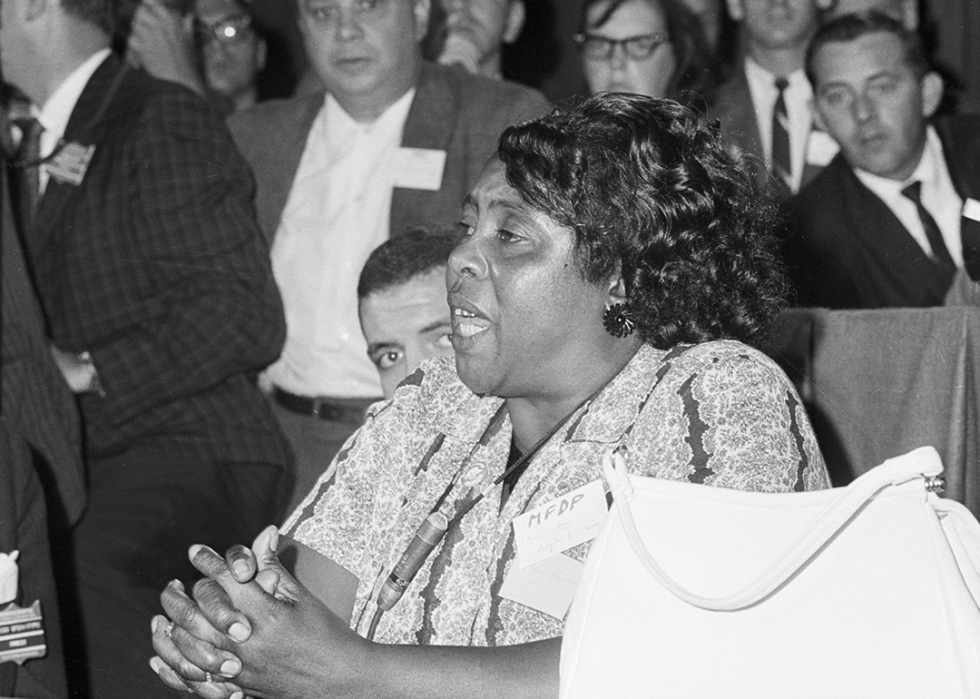
Like Nash, Fannie Lou Hamer also started out working for the SNCC, traveling nationwide throughout the 1960s to spread awareness about voting rights amongst Black communities and helping register many to vote. At the time, only 5% of Mississippi's Black population was registered to vote, and many would-be voters were kept from the polls by intimidation tactics and poll taxes.
Hamer helped found the Mississippi Freedom Democratic Party, which greatly expanded African American representation in the state's Democratic Party. She was undeterred by several targeted attacks on her life, including being beaten by police officers and having her home shot with 16 bullets by white supremacists.
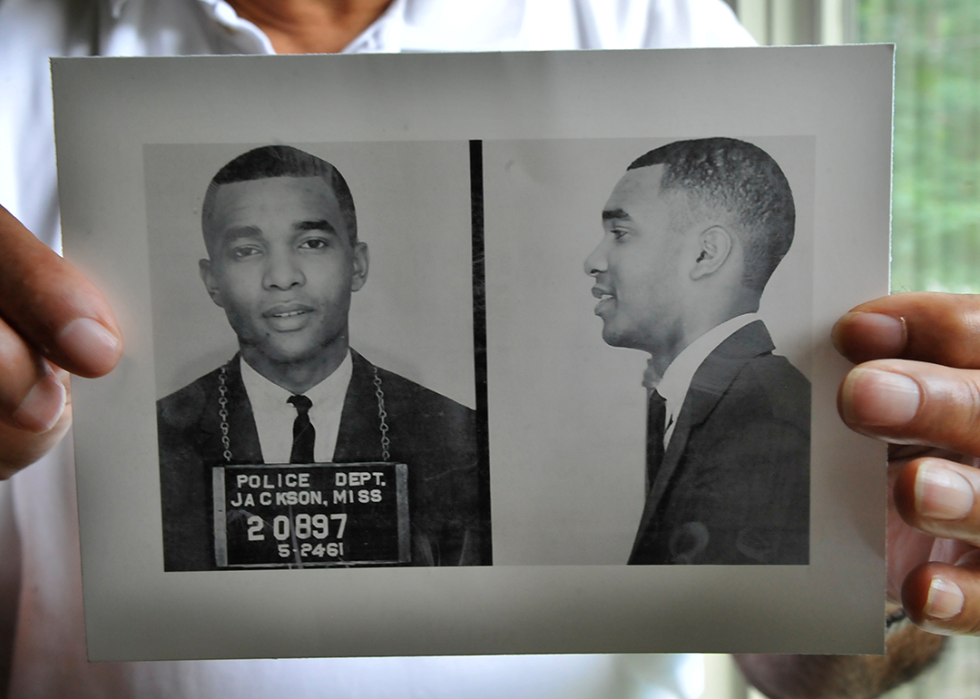
Dion Diamond began his work as a civil rights activist at just 15 years old, when he began undertaking one-man sit-ins at segregated lunch counters in Virginia. He was frequently arrested, perhaps preparing him for the weeks he would later spend in jail as a result of participating in the 1961 Freedom Rides in Mississippi. Diamond's actions mainly occurred during his young adulthood, but they were still impactful. His activism career ended, by his own account, when he enrolled in college at the University of Wisconsin-Madison, perhaps contributing to his relative obscurity in the history books.
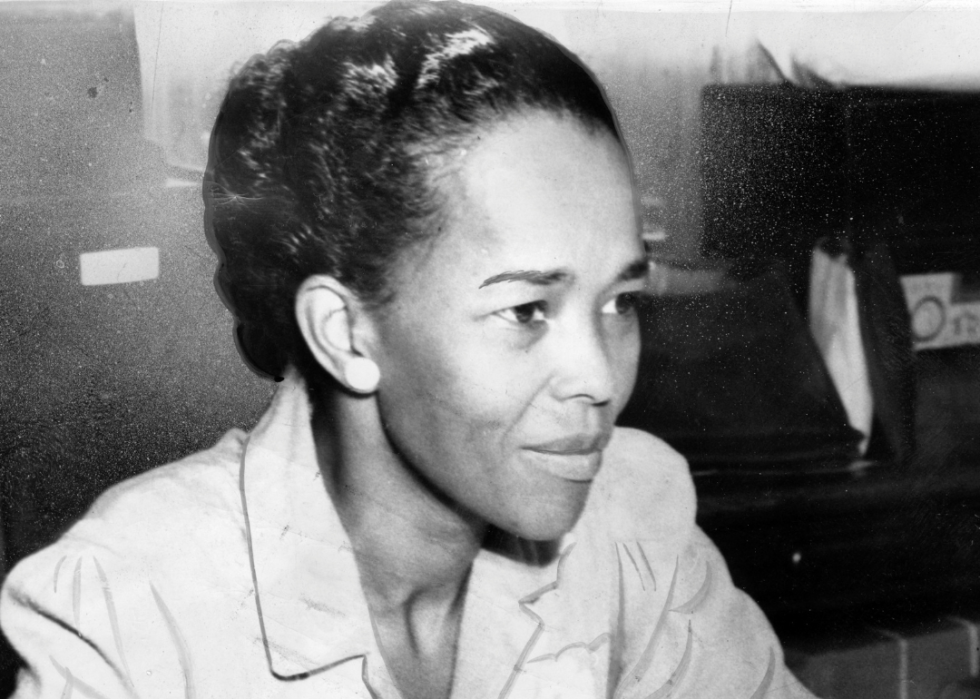
Ella Baker was involved in three of the most influential groups of the Civil Rights Movement: the NAACP, the SNCC, and the Southern Christian Leadership Conference. She first worked for the NAACP in the 1940s, traveling throughout the South to speak with African American communities and urging them to advocate for their civil rights. She also advised SCLC activists to adopt group-centered leadership, rather than organizing around an individual leader.
Baker believed grassroots organizing to be the key to the long-term success of the movement. In 1956, she co-founded In Friendship, a group that supported grassroots movements throughout the South. Baker was influential in the founding of the SNCC, as well as the Mississippi Freedom Democratic Party.
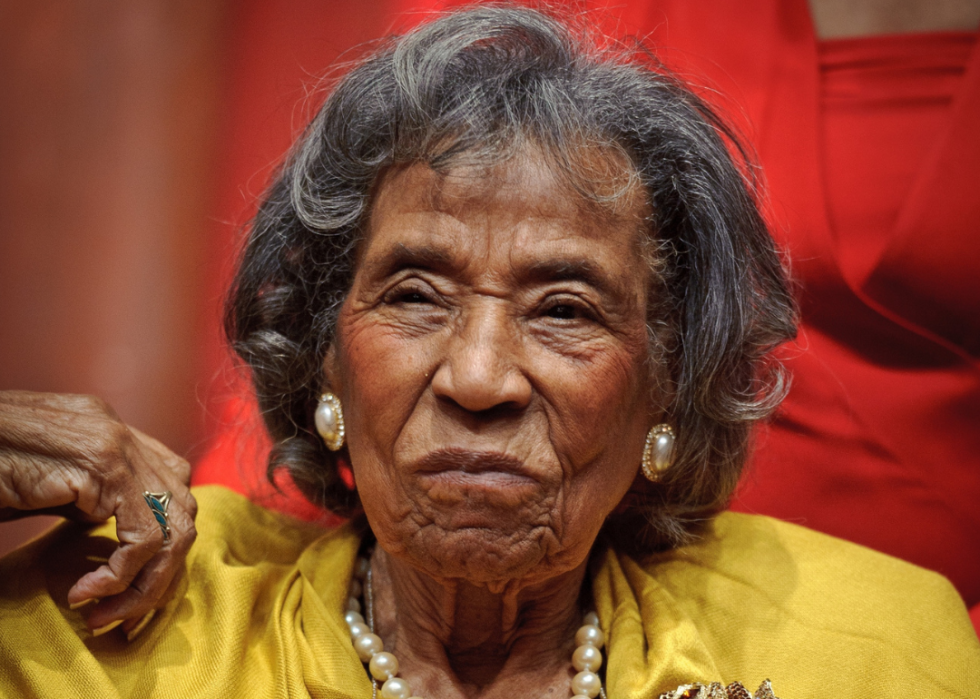
The 1965 Selma to Montgomery march was a watershed moment in the Civil Rights Movement, and Amelia Boynton Robinson stood at its center. Already a voting rights activist in Selma in the early 1960s, it was Robinson who asked Martin Luther King Jr. and the SCLC to come to the city to protest, resulting in the march. At the start of the march, Robinson and other marchers in the demonstration were savagely beaten by police in an event that would be known as "Bloody Sunday." Photos of the protestors helped galvanize civil rights supporters nationally.
In 1964, Robinson became the first Black woman to run for Congress in Alabama, and she continued to work as an activist after King's assassination.
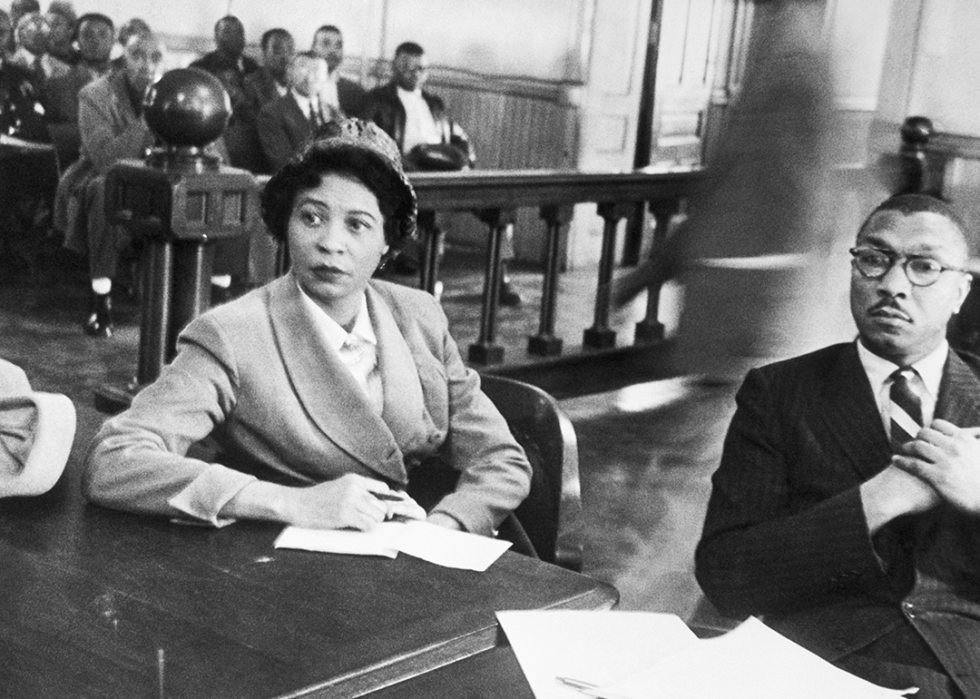
As president of Arkansas' chapter of the NAACP, Daisy Bates played a pivotal role in advising the "Little Rock Nine" in 1957. Prior to that, Bates and her husband co-founded the Arkansas State Press, an outspokenly pro-civil rights newspaper. This led to Bates' position advising the nine Black Little Rock students who volunteered to desegregate the city's Central High School, a task for which Martin Luther King Jr. personally praised her. In 1963, Bates was the only woman to give a speech at the pivotal March on Washington for Jobs and Freedom.
Story editing by Eliza Siegel. Copy editing by Tim Bruns.