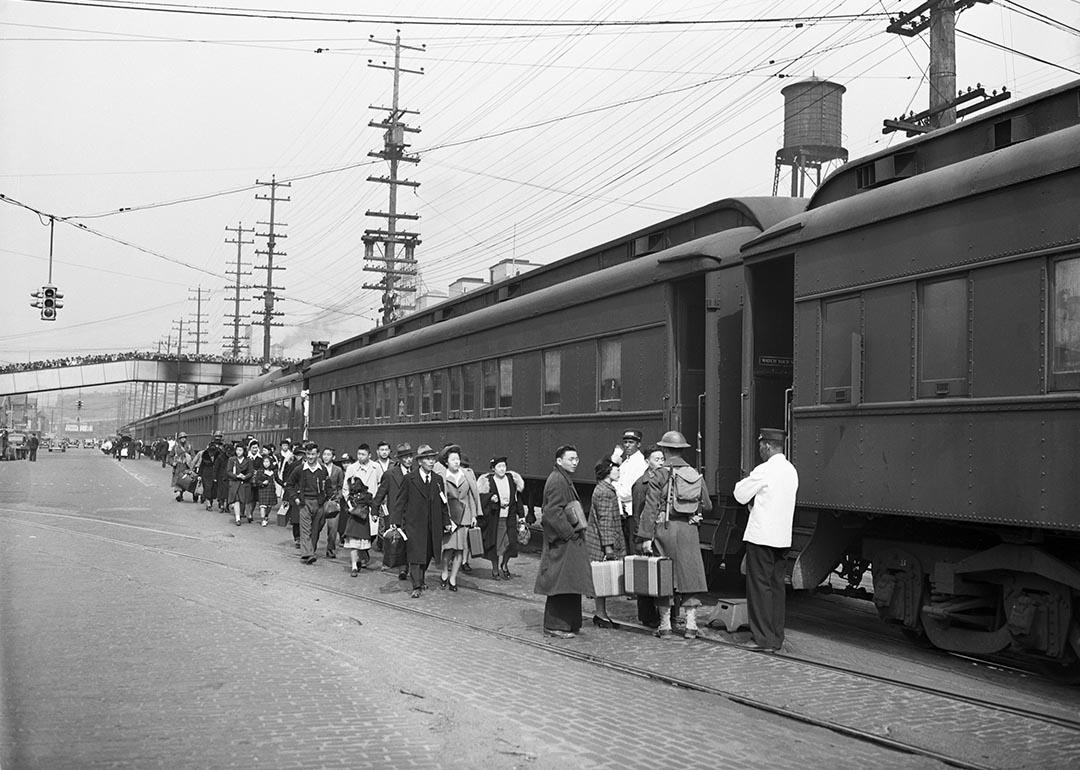
Japanese American soldiers in World War II fought the Axis abroad and racial prejudice at home
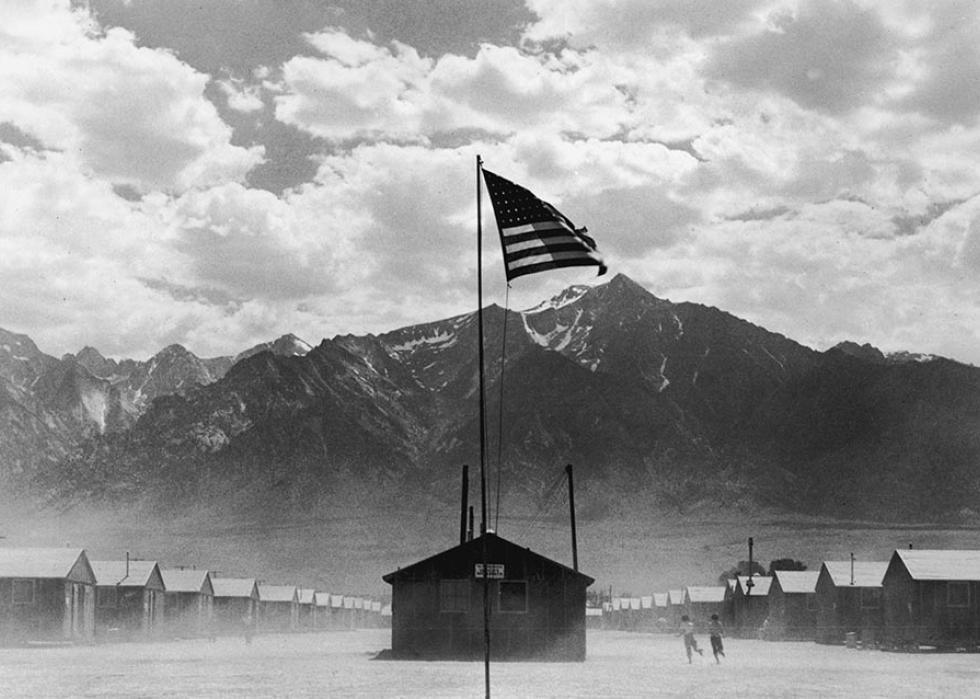
By the end of 1943, U.S. military leaders had grimly realized they were running short of manpower. The political decision to reclassify the Nisei as ineligible for the draft was being reconsidered, as commanders were hearing impressive reports of Nisei volunteers in their training. Mike Masaoka of the Japanese American Citizens League was also lobbying the military brass for the opportunity to show through a "demonstration in blood" that Japanese Americans were loyal Americans.
On Jan. 20, 1944, Secretary of War Henry Stimson announced the reinstatement of the draft for all Nisei men. Young Japanese American men were now considered loyal enough for compulsory military service. These draftees from the detention camps subsequently fought in some of the bloodiest battles in Europe.
The Nisei soldiers shared a spirit, and a motto, of "Go for Broke," Hawaiian gambling slang for wagering everything on one roll of the dice. They wanted to give it all to defend their country and prove their patriotism.
The Japanese American soldiers helped drive the German army out of Italy and continued into eastern France, fighting nonstop for nearly two months in the Vosges Mountains. Their last-ditch effort rescued over 200 soldiers from Texas, who had been stranded behind German lines for nearly a week.
By the time the Nisei troops emerged from the Vosges, the number of dead and wounded outnumbered the living. One company had started out with 185 men, but ended up with only eight. This terrible casualty rate earned the 442nd the nickname of the "Purple Heart Battalion."
Approximately 18,000 Nisei soldiers served in the combined 100th and 442nd, and collectively they and their units earned more than 14,000 awards, making it the most decorated military unit for its size and length of service in all of U.S. military history.
One top military official in the Pacific theater credited the Nisei MIS interpreters with saving tens of thousands of American lives and shortening the war by as much as two years.
Their legacy
The Nisei soldiers might have prevailed over the Nazis in Europe and the Japanese in the Pacific, but they came home to racial prejudice that had only intensified during the war. In 1981, MIS veteran Mits Usui recalled that as he returned to his hometown of Los Angeles, wearing his U.S. Army uniform, a bus rider called him a "Damn J*p." Inouye described how after he was released from the hospital as a decorated second lieutenant with a hook replacing the arm he had lost in combat, a San Francisco barber refused to cut his "J*p hair."
Vigilantes were terrorizing the veterans' families so they would not return to their West Coast homes. Some were threatened with bodily harm. The government promoted stories of the Nisei soldiers' valor as part of a pro-Japanese American publicity campaign to combat the terrorism.
For U.S. Sen. Spark Matsunaga, President Ronald Reagan's signing of the Civil Liberties Act of 1988 was important recognition of the Nisei's wartime sacrifices. That legislation officially apologized for the incarceration and provided token reparations payments to the surviving incarcerees. A decorated 100th/442nd member, Matsunaga recalled, "We feel now that our efforts at the battlefront – giving up our lives and being wounded and maimed and disabled – all this was for a great cause, great ideals … to remove the one big blot on the Constitution that has been there for over 45 years."
In 2005, surviving Nisei veterans and their families launched a campaign to have the U.S. Postal Service issue a stamp honoring all Japanese Americans who served in World War II, including the women who served. The campaign has had support from bipartisan local, state and federal legislators, as well as from French citizens and officials who have not forgotten the Nisei heroes who freed their towns from German forces. The stamp, issued on June 3, 2021, is one of only a few in U.S. postal history to feature an Asian American or Pacific Islander.