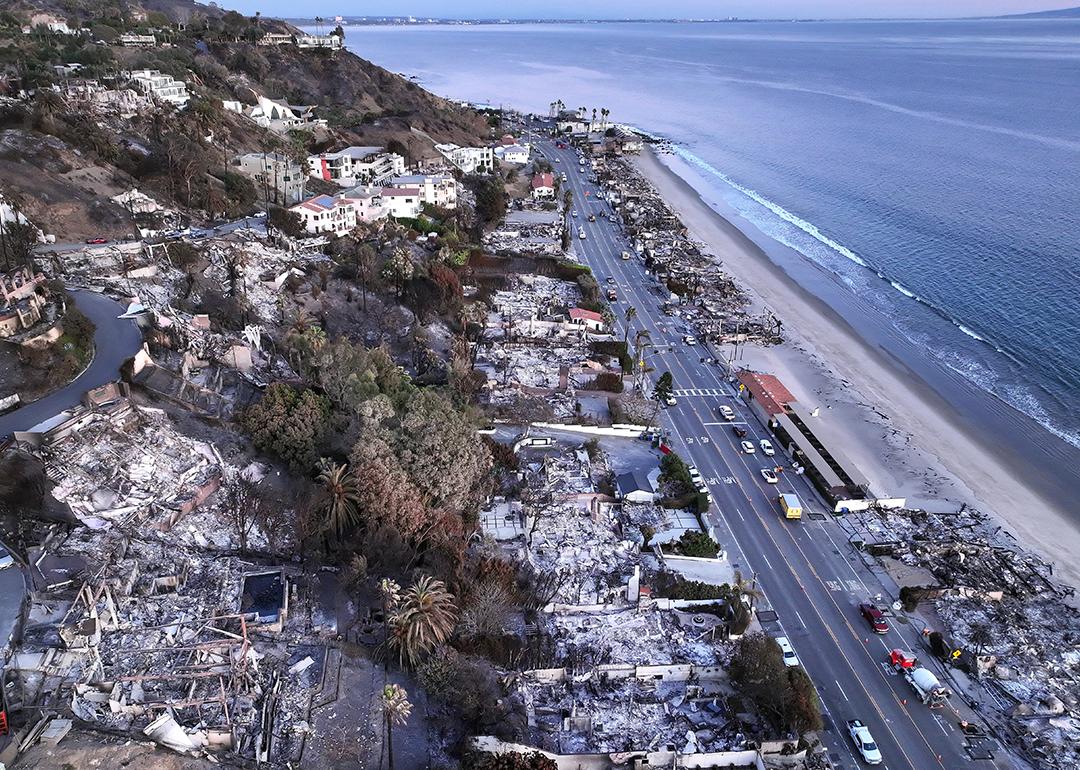
Why California keeps putting homes where fires burn
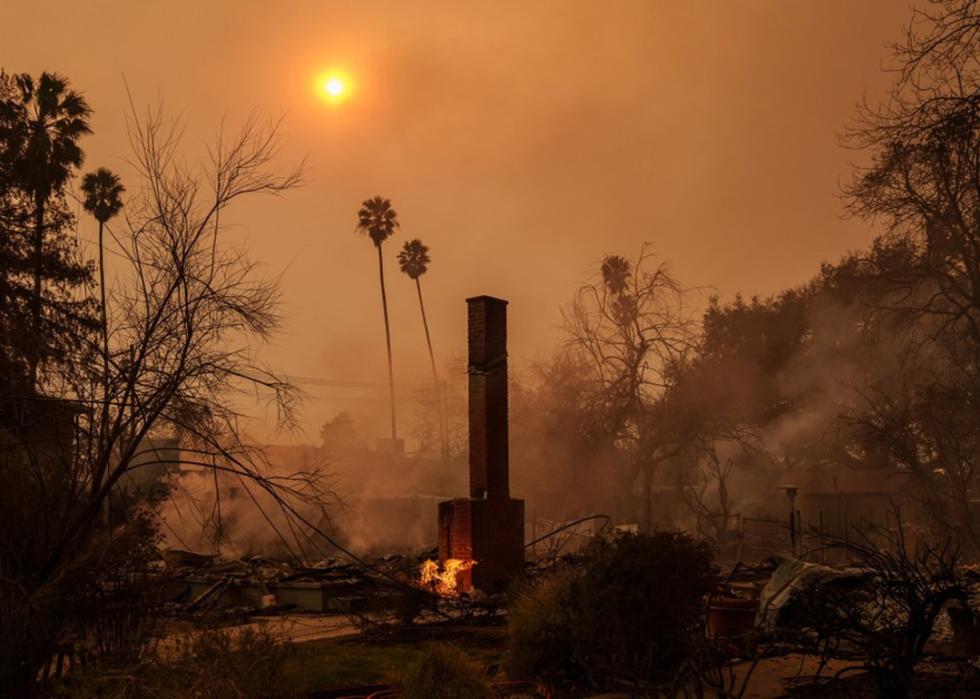
In 2020, then-state Sen. Hannah-Beth Jackson introduced a bill that would have required local governments to impose building code, brush management, and road design standards on new homes and subdivisions built in areas deemed by CalFire to be at high risk. The bill passed both the Assembly and Senate only to be vetoed by Newsom.
"Wildfire resilience must become a more consistent part of land use and development decisions," the governor wrote at the time. "However, it must be done while meeting our housing needs."
Two years later, Sen. Henry Stern, a Democrat from Calabasas whose district includes Malibu, authored a bill that would have imposed severe restrictions on construction in fire country in exchange for allowing higher, denser development in low-risk areas. Assemblymember Chris Ward, a San Diego Democrat, introduced a bill in 2023 with a similar trade-off: fewer restrictions on dense urban development coupled with fresh limits on growth in the wildland-urban interface.
Both bills died without a vote. Both faced stiff opposition from the state building industry.
Dan Dunmoyer, president of the California Building Industry Association, a trade group representing the state's home builders, said blocking development in these areas is not only counterproductive from an affordability perspective, it's unnecessary.
New homes built to current California code "are completely different from the homes in Altadena that were built in the '20s and '30s," he said. "We know that we can build master planned communities with hardened homes and hardened neighborhoods that don't burn."
Buildings can in fact be fire-hardened, if not entirely fire-proofed. That's often the reason that every California inferno has its share of miracle houses: the rare single structure seemingly untouched by flame and surrounded by the ashes and smoldering foundations of neighboring homes.
Since 2008, any new homes built in a high risk zone are saddled with a wide array of state-set construction requirements that specify the shape and composition of a building's roof to the siding material that can be used to the vent covers needed to keep wind-surfing embers from wafting into a house.
"No other state has as many wildfire requirements in place or direction on what communities have to include in their general plans," said Molly Mowery, executive director of the Community Wildfire Planning Center, a nonprofit that works with jurisdiction across the West to plan for fires.
The Board of Supervisors of Los Angeles County is considering a new Community Wildfire Protection ordinance that would codify and enhance some of these same statewide requirements. It would apply in many of the areas that are currently burning or under evacuation order. But the rules would only apply to future development, not the homes already there.
That underscores a statewide problem: "We have all these homes that were built in places with pretty high fire risk during a period in which we weren't thinking as much about the risk and during which the risk may actually have been less than it is now, because we know scientifically that the climate is making this worse," said Boomhower from UC San Diego.
Fire-hardening entire communities at once is prohibitively expensive for most localities, even if it's the only way to effectively protect a neighborhood.
"The mitigation for wildfires is very similar to how we think about mitigation for infectious disease," said Fischer from Oregon State University. "If one person gets vaccinated out of the whole town it's not really going to make much of a difference."
Lawsuits and Insurance
While lawmakers have been loath to out-and-out limit development in the most flammable corners of the state, the courts have occasionally stepped in.
Environmental preservationists, anti-development activists and even the state's attorney general have turned to the California Environmental Quality Act to block construction projects.
The act requires governments to study and publicly report the environmental consequences of a development before approving it. In October, a California appellate court held that wildfire risk is one of those consequences that may deserve special consideration.
Phillip Babich, a real estate attorney, said he expects to see community groups opposed to nature-adjacent developments demanding "more disclosure, more effort in dealing with wildfire risks" as a result of the ruling.
Newsom's executive order has foreclosed that option in Los Angeles.
That leaves a final check on whether homes are constructed in fire-prone areas: Insurance.
For years, private insurers have been in a slow motion withdrawal from California, citing, in part, the state's increasingly severe wildfire threat and state regulations that prevent them from charging premiums high enough to profitably cover it.
A recent raft of state regulatory changes is aimed at enticing insurers back. That may mean that homeowners who have been shuttered from the market will now have the option to buy insurance—but at a price they can't afford.
That, ultimately, is how insurance markets are supposed to work, said Victoria Xie, a Santa Clara University economist. When insurance companies refuse to cover an area or will only do so at sky high rates, that's a strobing, red light that the risk of residing in such a location is very real and very high.
"Maybe households need financial incentives or some sort of help that allows them to make that move," she said. Because the best long-term outcome is "obviously for us all to instead of frequently fighting these fires and having unaffordable rates to just stay out of these areas."
That would be a painful transition. But it isn't likely to happen just yet: Last week, Insurance Commissioner Ricardo Lara banned insurance companies from canceling policies or dropping customers in any of the zip codes that have been burned by the Los Angeles fire for the next year.
Levi Sumagaysay contributed to this story.