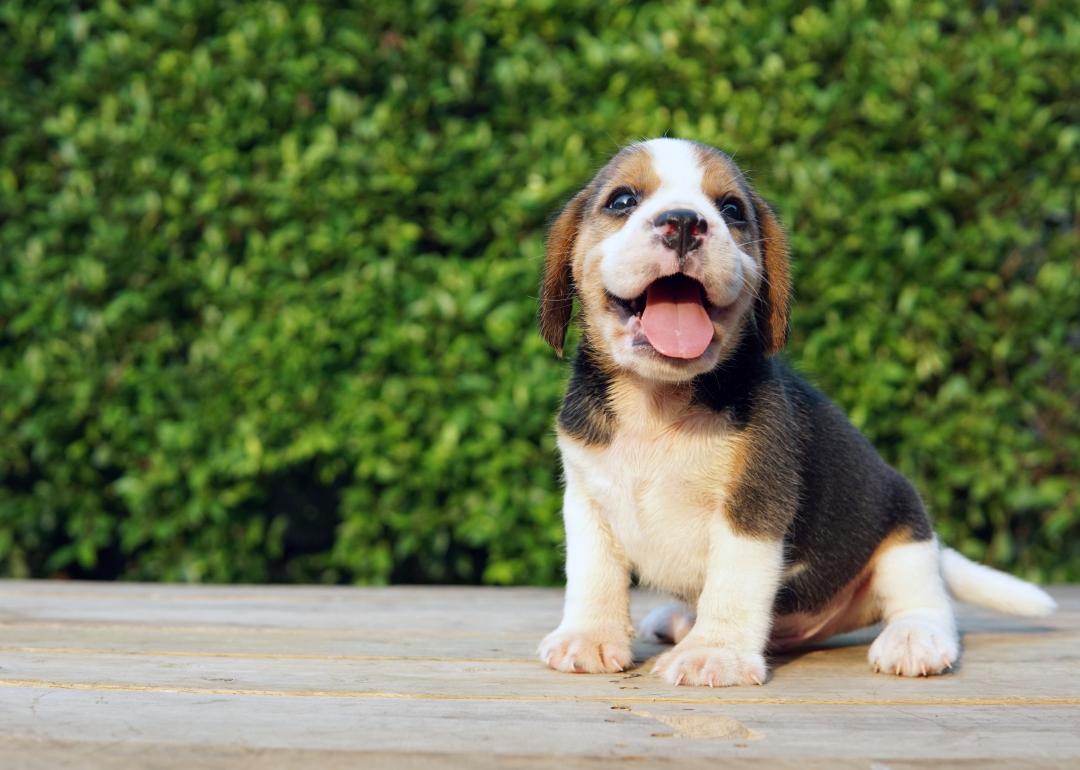
20 facts about beagles

Beagles are small to medium-sized scent hounds known for their merry, even temper and unparalleled nose. Classified in the hound group, they're compact dogs that combine curiosity, friendliness, and stamina into one charming package. They thrive when given both mental and physical stimulation.
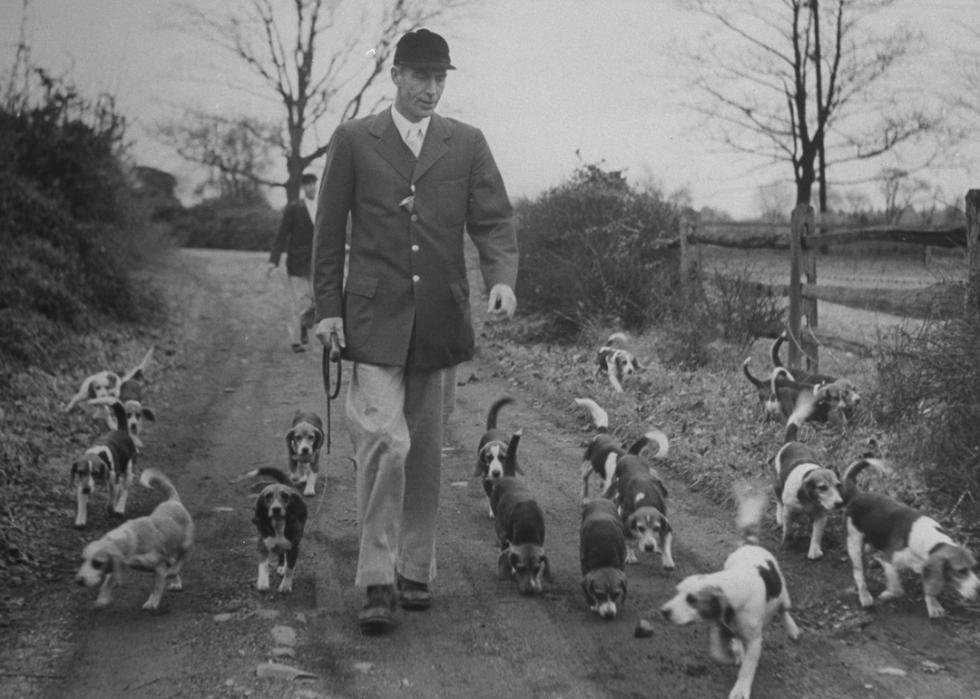
Beagles' ancestry is traced to early scent hounds in England and other parts of Europe, including similar influences from the Talbot hound and Irish Kerry beagle, which were bred for tracking game and hare. The name "beagle" appeared in literature as early as the 1400s, and the breed was formally recognized by the AKC in 1885.

There are two AKC-recognized sizes: under 13 inches and 13–15 inches at the shoulder, usually weighing between 20 and 30 pounds. Their coat is short and dense with classic colorings like tricolor, red-and-white, lemon, and tan combinations. Their long, low ears and expressive "hound's eye" give them their iconic look.

Beagles are often described as merry, curious, and easygoing, making them excellent family dogs. Raised in packs historically, they tend to enjoy company—of humans or other dogs—and do not do well with isolation. Their good-natured demeanor belies a stubborn streak when tracking a scent.
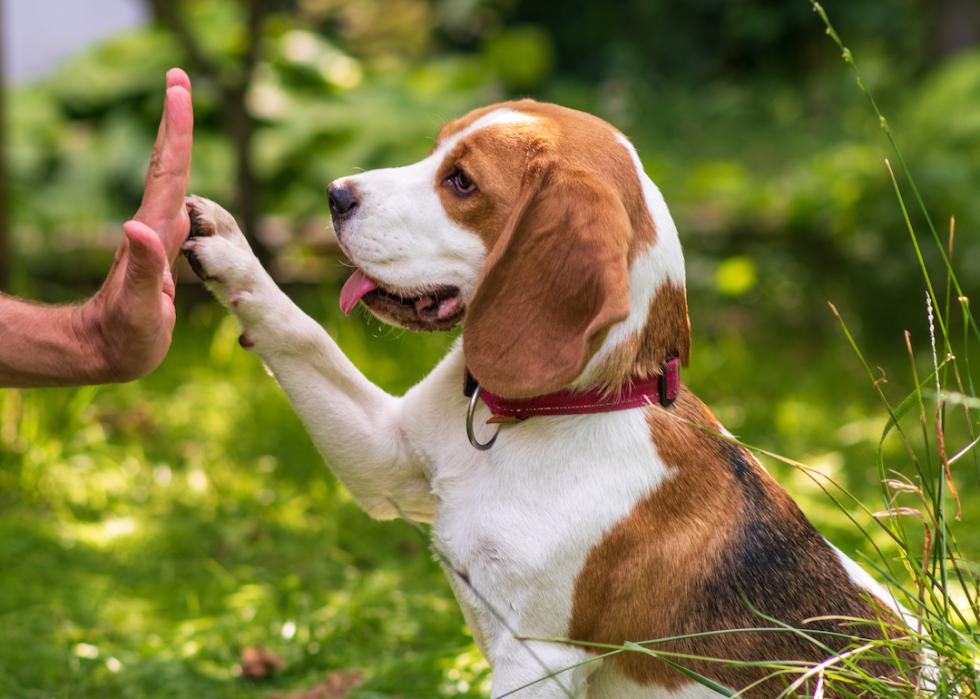
Beagles are intelligent but independent. Their original role as pack hunters gave them an intense nose and a mind of their own. Training responds best to reward-based reinforcement, particularly food rewards, since they are highly food-motivated. Consistency, patience, and short sessions help prevent distraction.

These dogs have moderate to high energy and benefit from at least one hour of brisk walks or play each day. Because they were bred for chasing scents, it is ideal to let them safely explore outdoors or give them good sniffing opportunities. A lack of such outlets can lead to boredom and mischief.
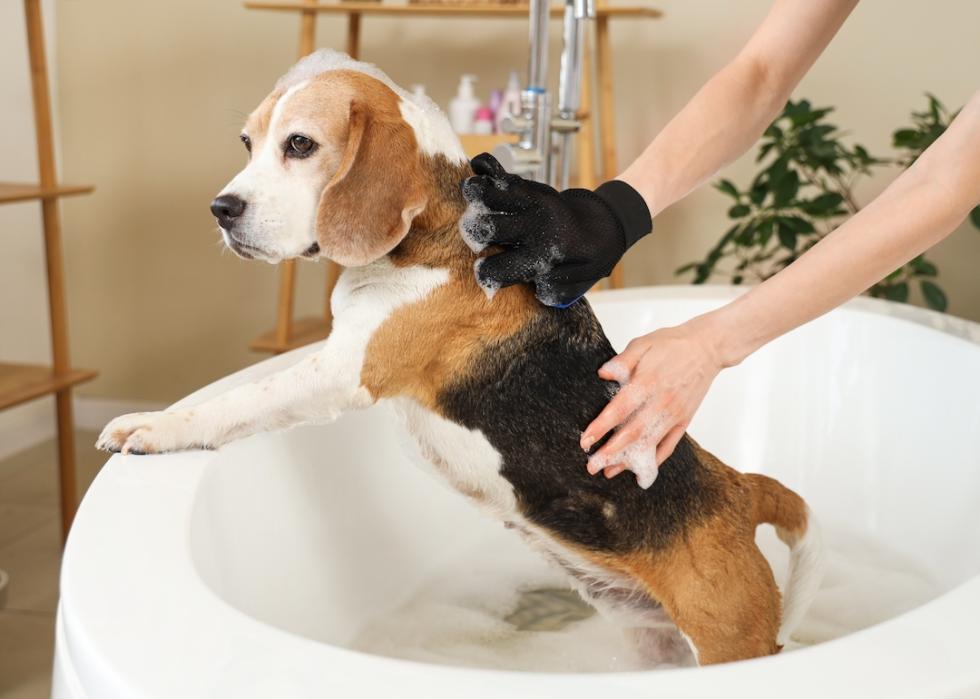
Beagles have low-maintenance grooming due to their short, dense coat, which sheds moderately throughout the year and more heavily seasonally. Regular brushing, occasional baths, and routine ear cleaning (due to droopy ears---) help keep them healthy. Nails should be trimmed, and dental hygiene should be maintained.

Beagles are generally healthy but prone to certain genetic conditions, such as hip dysplasia, eye disorders like glaucoma and cherry eye, and hypothyroidism. When properly cared for, their life span is typically around 10-15 years. Regular vet screenings and maintaining an ideal weight are crucial.

Because beagles love food, portion control is vital to prevent obesity, which exacerbates joint and heart issues. A balanced diet rich in protein and moderate fat supports their active metabolism. Treats should be used sparingly and as training tools rather than frequent rewards.

Beagles adapt well to many living situations, from homes with yards to apartments, as long as they get ample daily activity. They enjoy having an "escape route" for their curiosity—secure fencing is important as they may follow scent trails. They thrive when included in family routines.

Perhaps no dog is more recognizable than Snoopy, the imaginative beagle from Peanuts, which helped popularize the breed globally. Beagles often appear as lovable companions in books, films, and TV shows, boosting their cultural recognition. Their "begging look" and soulful expression make them memorable characters.

The National Beagle Club of America (NBC---), among others, promotes breeder education, health testing, and responsible ownership. Beagles' popularity among hunters and families and detection programs has made them subjects of preservation and ethical breeding advocacy.

Beagles have been consistently high on the AKC popularity charts, thanks to their compact size, agreeable temperament, and suitability as working dogs and companions. Their friendly nature and manageable size make them a frequent choice for families.
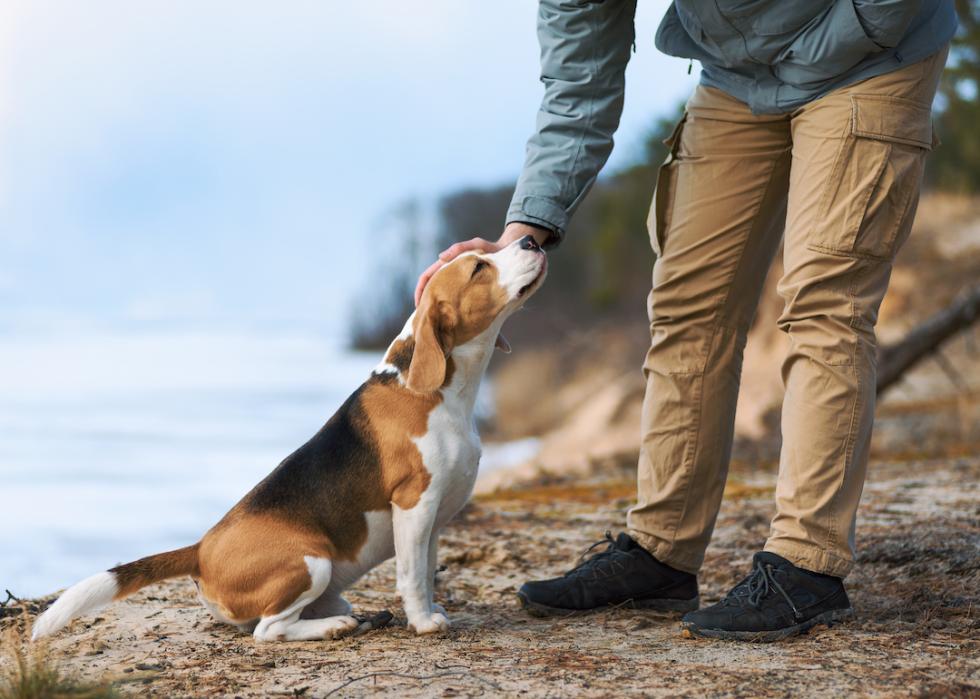
The NBC offers breeder directories, health resources, and events. These organizations are key in maintaining breed standards, ethical breeding, and community support.
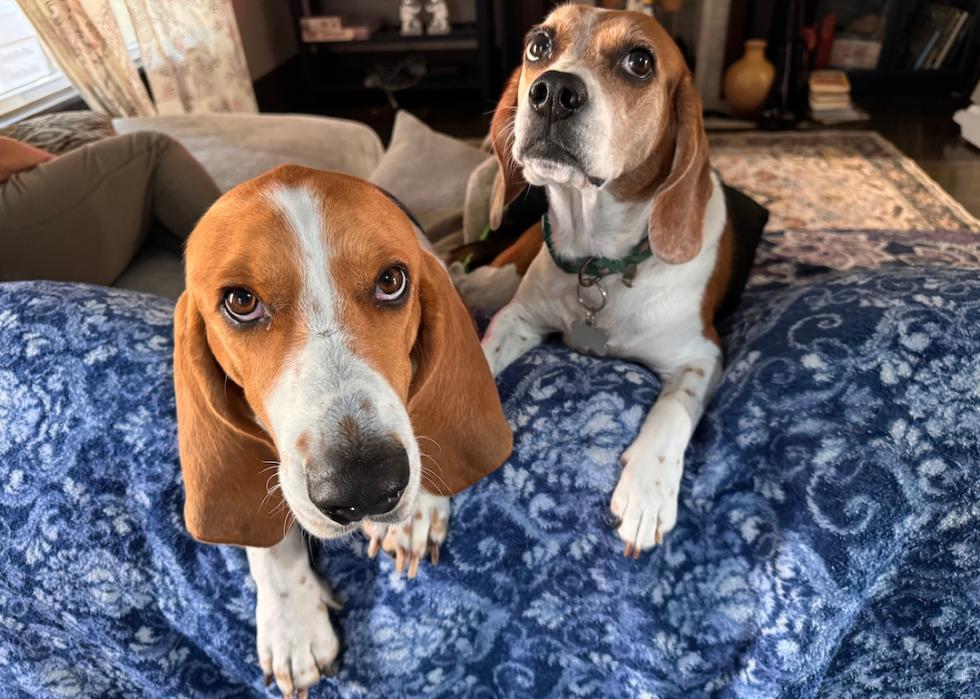
Beagles are lighter and more energetic than other small hounds like the basset hound, though both share scenting abilities. Compared with cocker spaniels, beagles are likelier to follow their noses rather than stay glued to their owner, which helps understand their temperament.
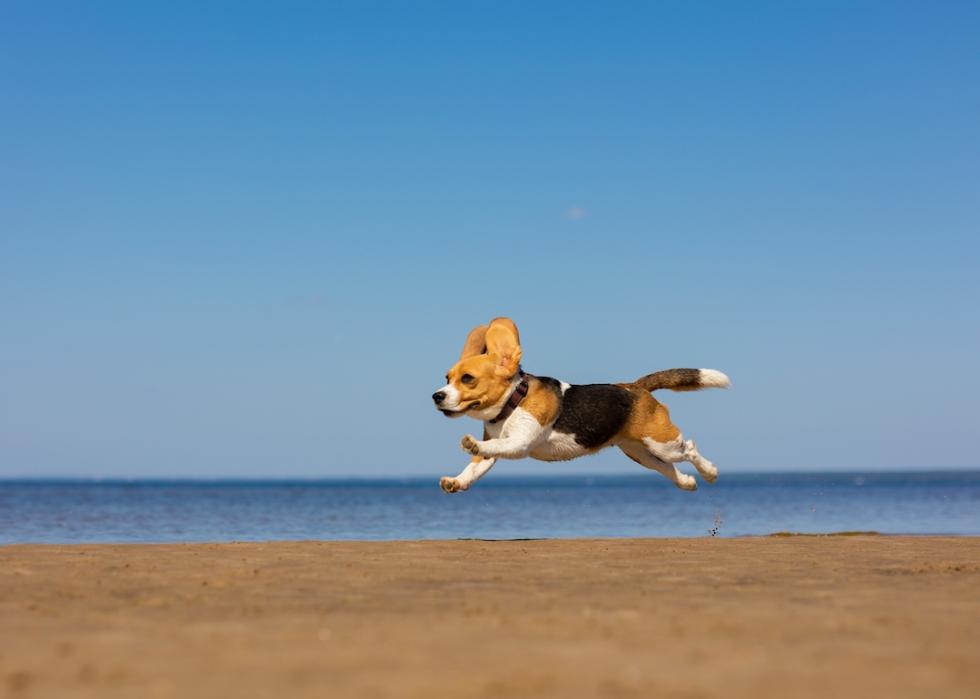
Beagles are famous for their powerful nose—they have long ears and loose folds that help funnel scents down to the ground. Many beagles have a loud, distinctive bay or howl when excited or on scent, which can be charming or trying depending on your neighbors.

One myth is that all beagles are timid—they are actually quite bold when following scent. Another is that they don't bark or howl, but they can be pretty vocal, especially if bored or left alone. Also, "pocket beagles" are more of a marketing term than a standard classification.

Due to their gentle demeanor, beagles have been used in the U.S. for detection work via the "Beagle Brigade," sniffing out prohibited agricultural products at ports of entry. They also serve in field trial competitions, hunting, and occasionally search and rescue activities.

Beagles enjoy scent work, tracking, field trials, and basic obedience competitions—sports that allow them to use their instincts. They often outperform in activities that reward nose use and stamina rather than fast speed.
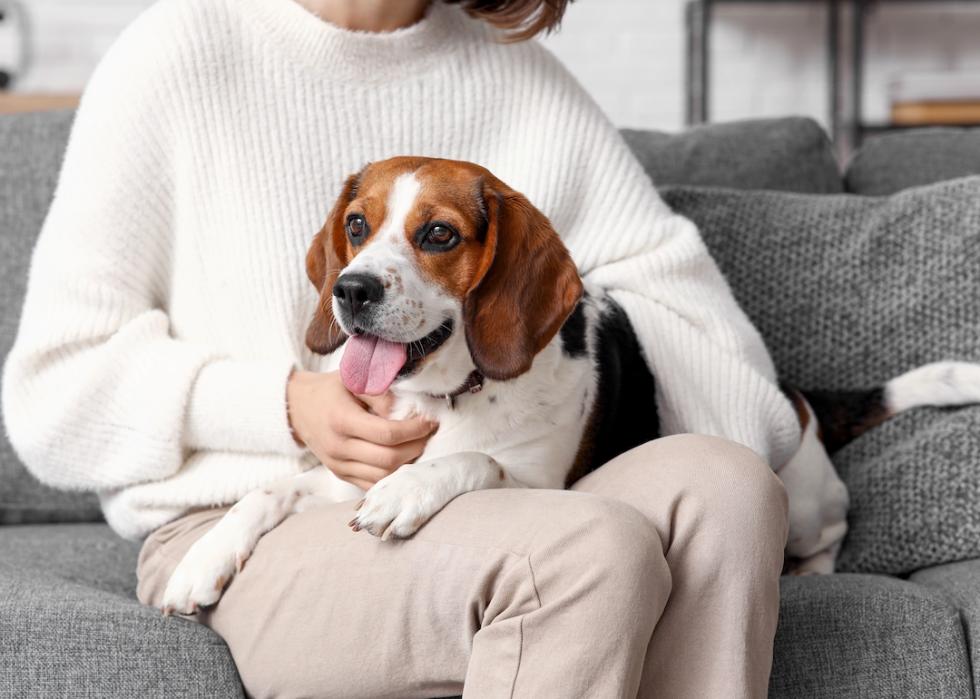
The first beagle registered by the AKC was named Blunder in 1885, and ever since, beagles have been one of America's most popular companion breeds.