20 facts about dachshunds
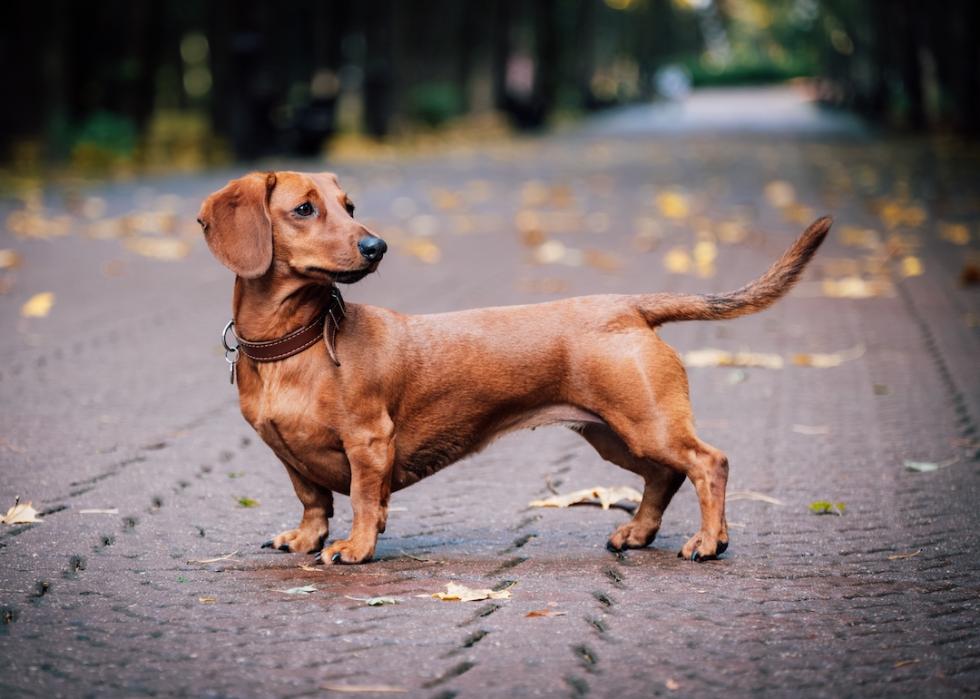
The dachshund—affectionately known as the "wiener dog" or "sausage dog"—is a small hound celebrated for its elongated body and short legs. Officially classified in the Hound Group by the American Kennel Club, this spirited and sturdy breed packs a lot of presence into a diminutive frame.
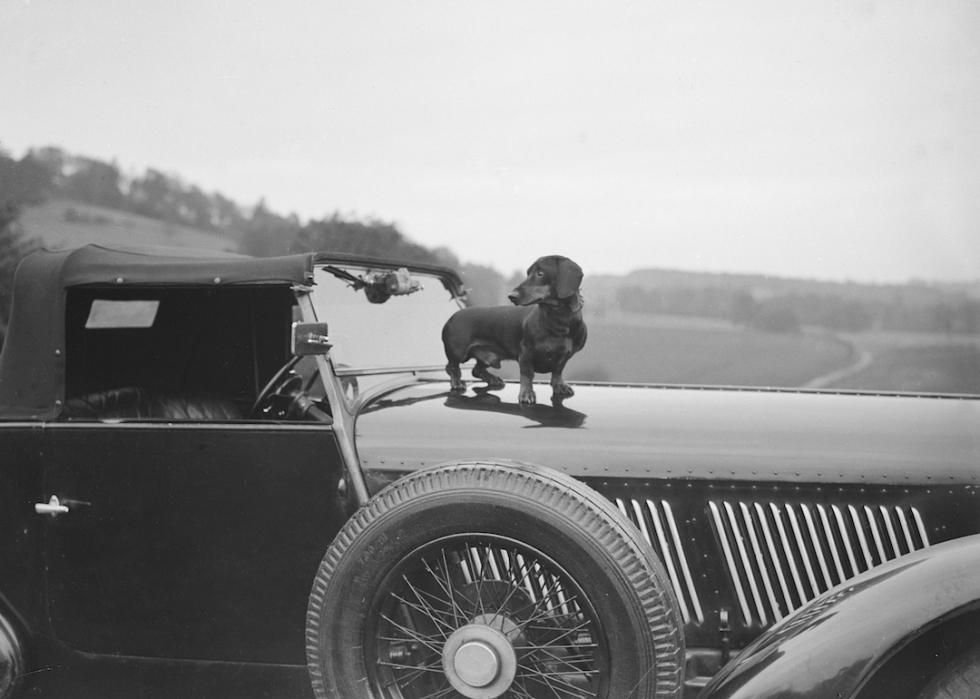
The dachshund originated in Germany more than 600 years ago. Its name translates to "badger dog," reflecting its original purpose of digging into burrows to flush out badgers. Over time, it evolved from a hunter into a beloved household companion.
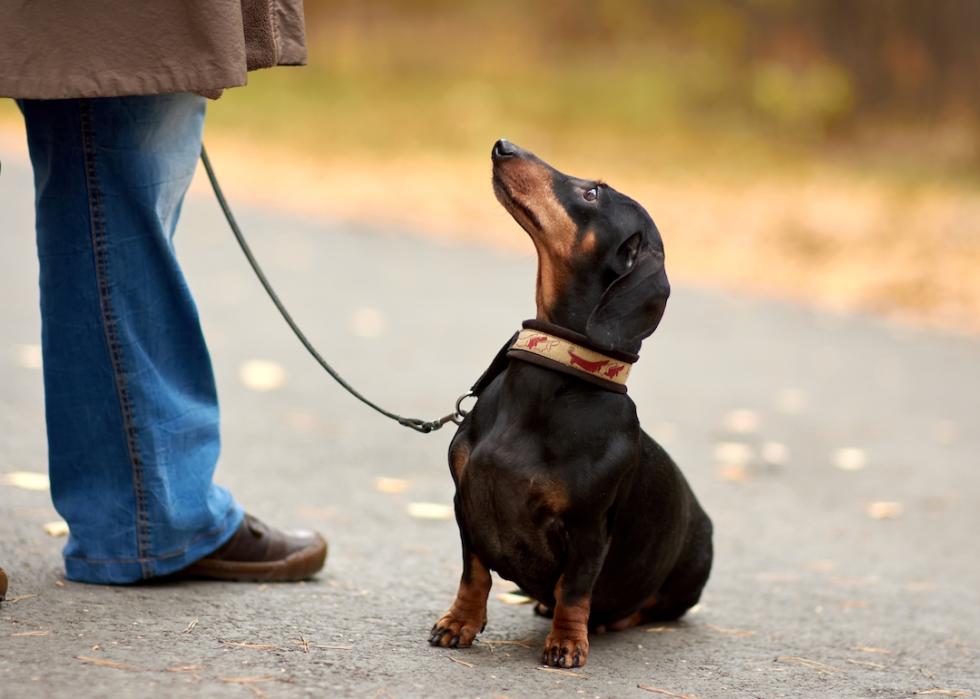
Every year, cities around the world host dachshund races, often called "wiener dog races," in which dozens of these little hounds dash across short tracks to the delight of cheering crowds.
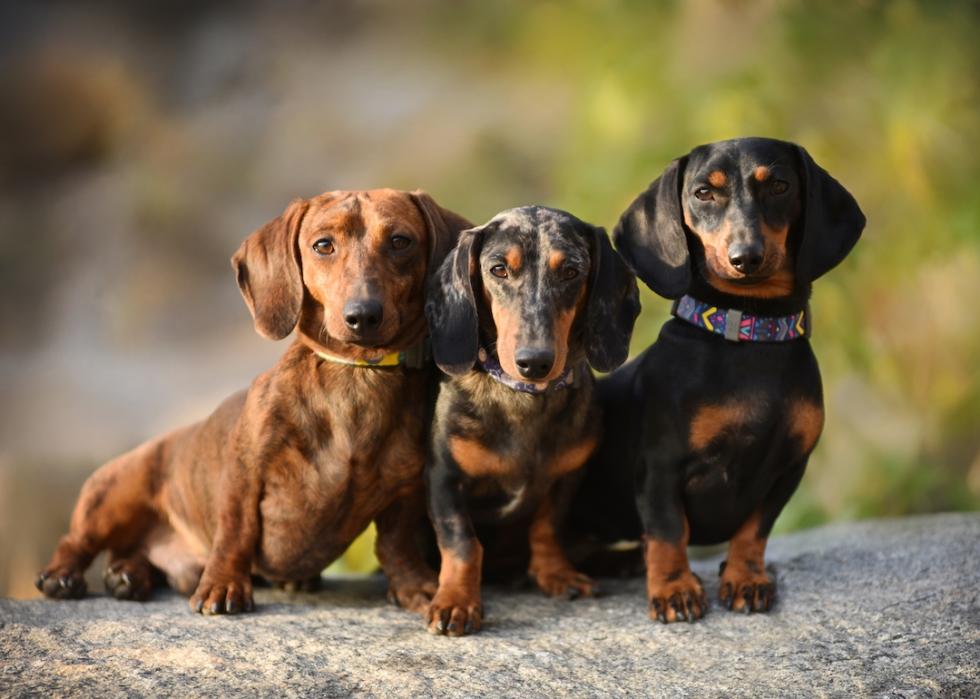
Dachshunds are instantly recognizable for their long bodies and short legs. Standard dachshunds weigh 16 to 32 pounds, while Miniatures weigh under 11 pounds. They come in smooth, long-haired, and wire-haired coats in colors ranging from red and cream to black-and-tan and dapple.

This breed is known for being clever, courageous, and sometimes stubborn. dachshunds are loyal family dogs that form strong bonds, often with one person, and balance playfulness with independence.
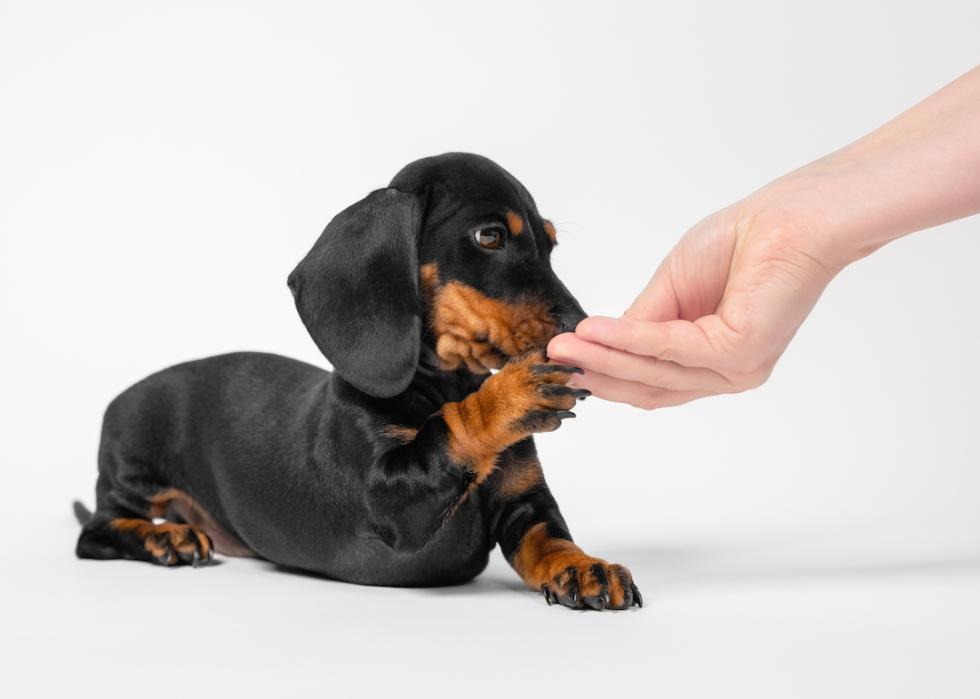
Though intelligent, dachshunds are famously strong-willed. Training requires patience and consistency, as their hunting instincts can make them easily distracted by scents.
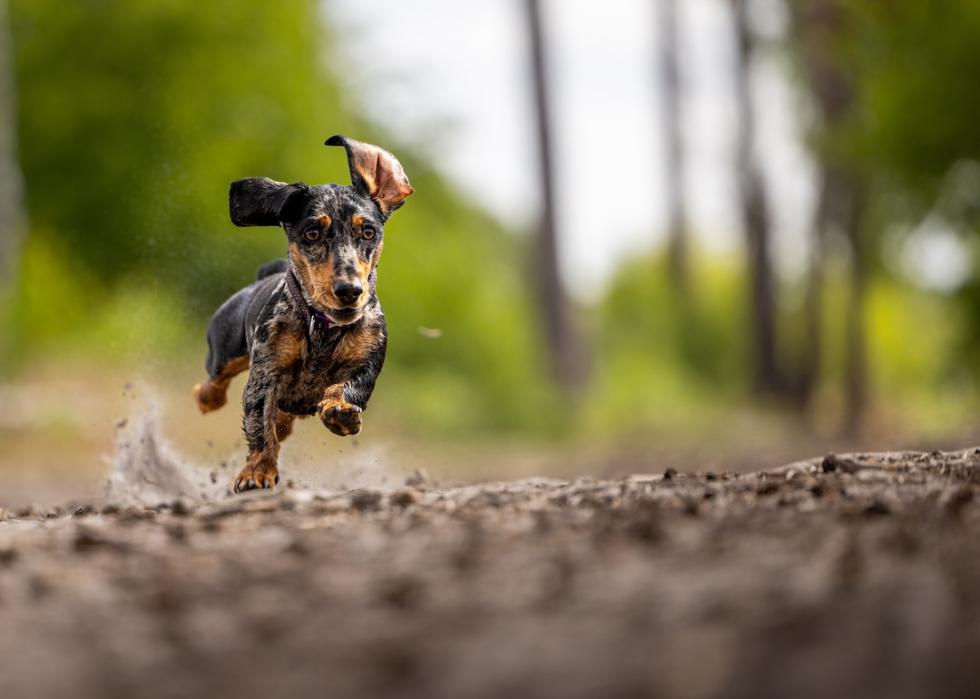
Despite their size, dachshunds are energetic and need about 45 to 60 minutes of daily exercise. However, to protect their backs, they should avoid overexertion on stairs or jumps.

Grooming varies by coat type: Smooth dachshunds need only occasional brushing, long-haired dogs require more frequent care, and wire-haired coats often need hand-stripping. All benefit from nail trims and dental care.

The breed's long spine makes it prone to intervertebral disc disease, with about one in four dachshunds affected in their lifetime. Their life span averages 12–16 years, and weight management is critical to reducing spinal strain.

Dachshunds are prone to obesity, so a balanced diet with careful portion control is essential. Limiting treats and avoiding table scraps helps protect their backs and joints.

These dogs adapt well to both apartments and houses, provided they get exercise. Their digging instincts make fenced yards ideal, and they thrive when they can stay close to their people.
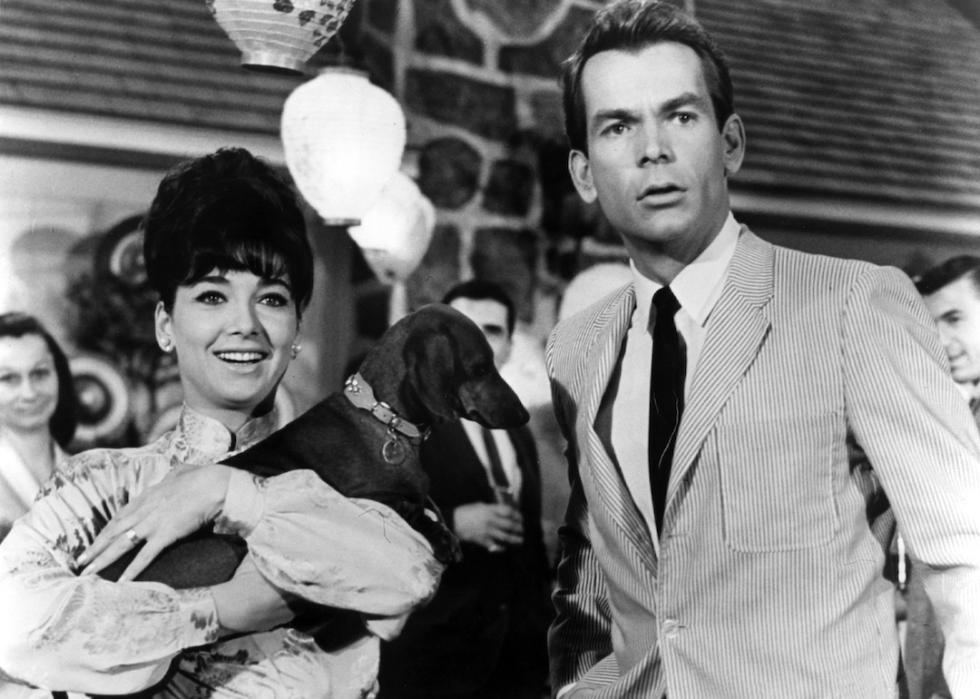
Dachshunds have been pop culture darlings for decades, from serving as the Oscar Mayer mascot to appearing in cartoons, art, and advertising, thanks to their unique look.
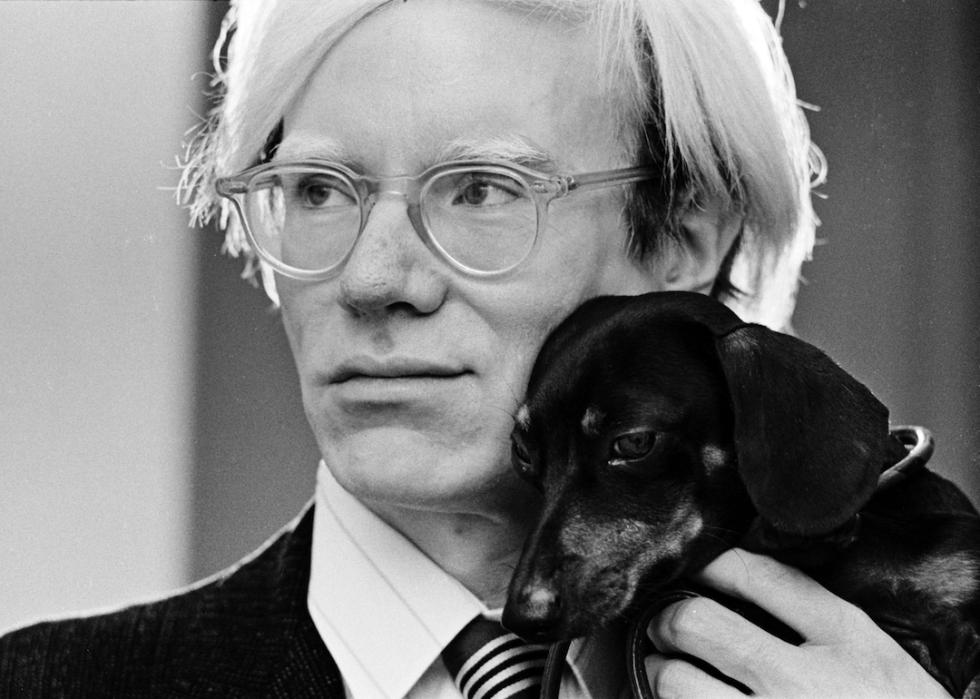
Artists like Pablo Picasso, who painted his dachshund Lump, along with Andy Warhol, E.B. White, and even Queen Victoria, all helped popularize the breed's quirky charm.

Dachshunds consistently rank high in U.S. dog popularity, currently in the top 15 AKC breeds as of March 2025. Their popularity surged post–World War II when returning soldiers brought them home from Europe.
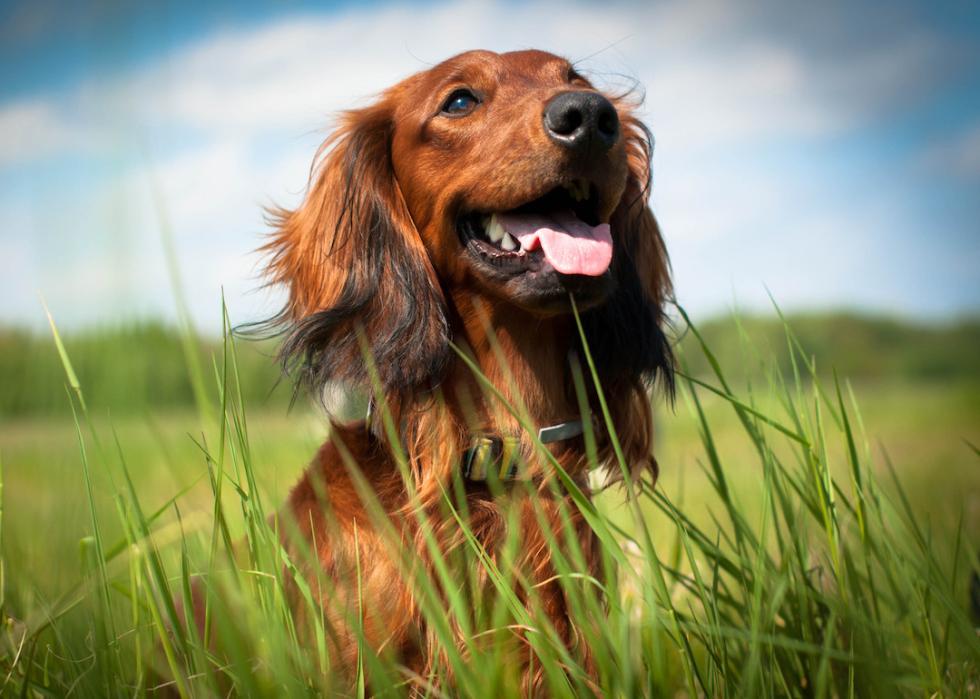
The Dachshund Club of America, founded in 1895, is the breed's AKC parent club. Regional clubs and rescues also support adoption and events.

Compared with Basset Hounds, dachshunds are more compact and energetic. Unlike Corgis, which were bred for herding, dachshunds were bred for hunting underground prey, giving them a livelier, more mischievous personality.

Dachshunds are famous for burrowing under blankets and have surprisingly deep barks. They're also known for their "big dog" attitude, often challenging animals much larger than themselves.

Many assume dachshunds are fragile because of their small size, but in fact, they were bred to hunt fierce badgers. Another myth is that they can't live with children; when properly socialized, they can be excellent family pets.
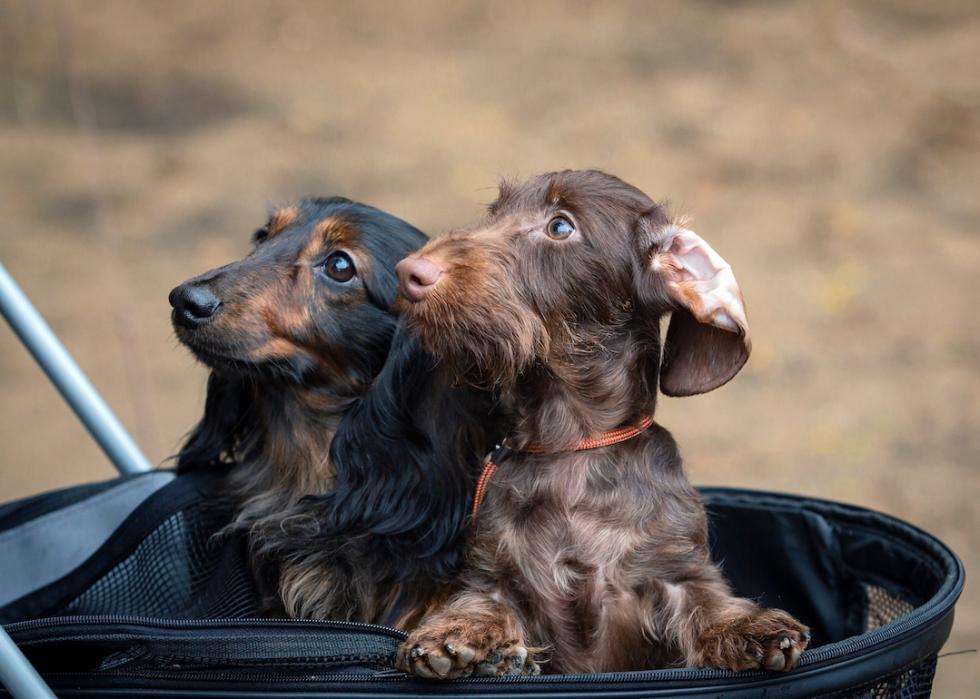
Historically bred for badger hunting, dachshunds were also used for rabbit and fox hunts. Today, they excel in scent work, tracking, and even therapy roles.
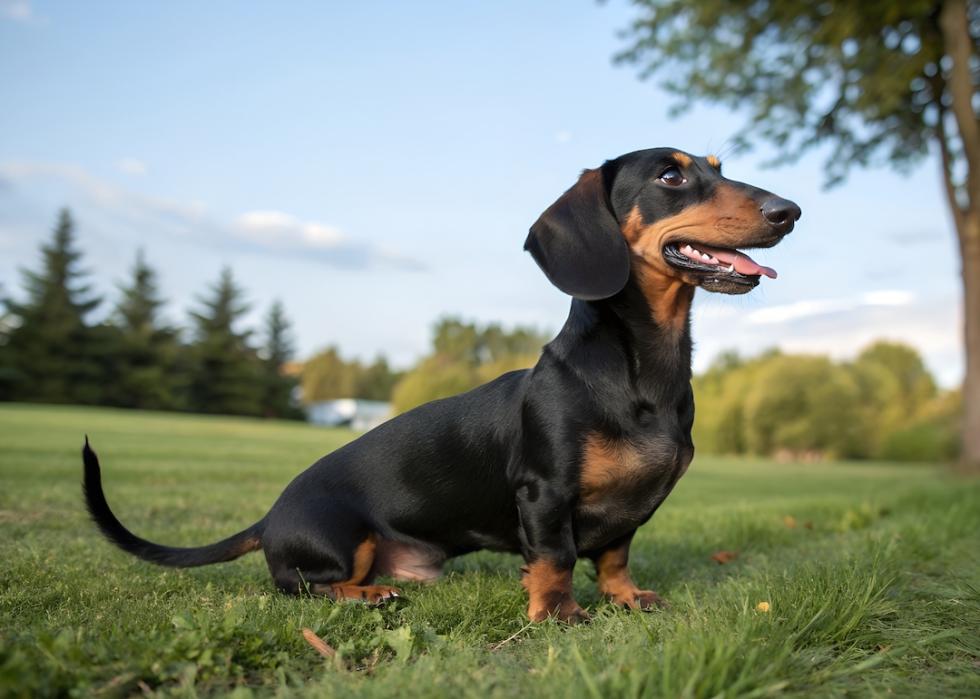
Dachshunds shine in Earthdog trials, which simulate their burrowing heritage. They also compete in AKC agility, rally, and obedience—though often with entertaining unpredictability.